
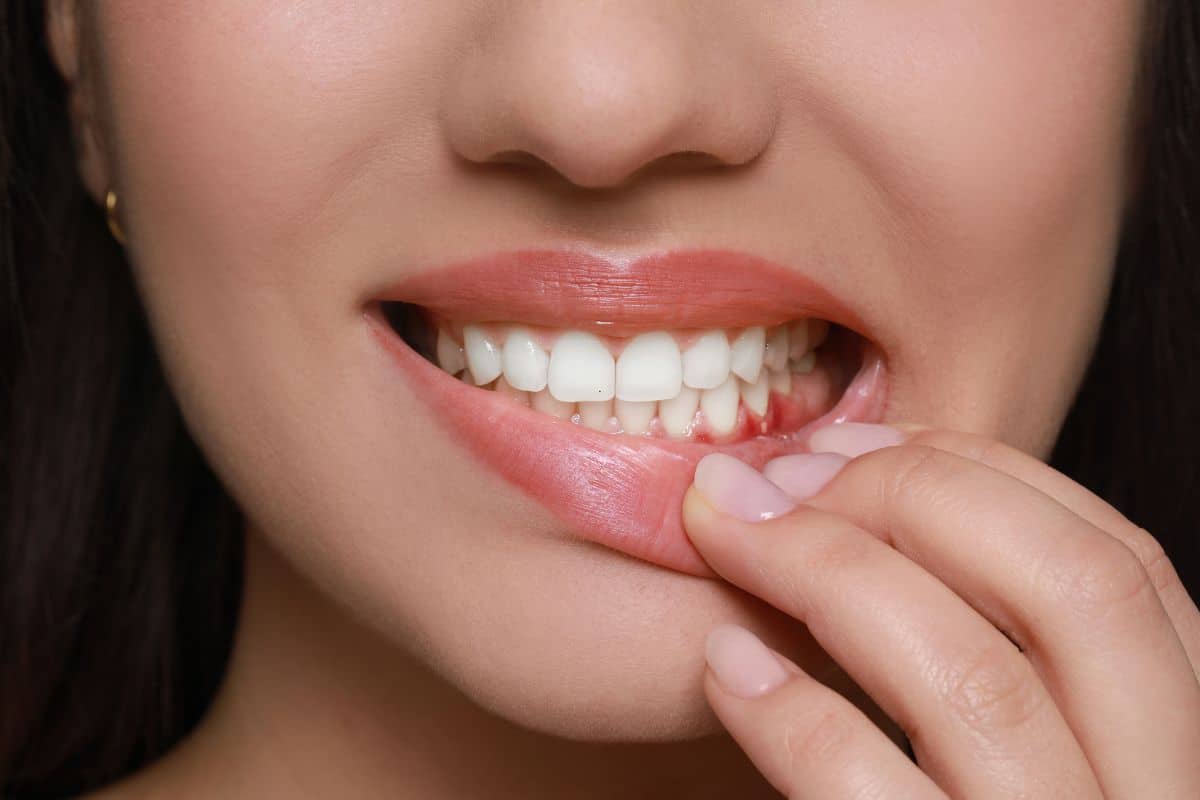
Not every dental issue announces itself with sharp pain or a broken tooth. Some symptoms whisper rather than shout—but ignoring them can cost you more than just your smile. Whether it’s mild discomfort, bleeding gums, or jaw tension that comes and goes, your mouth has its own way of asking for help. Knowing when to schedule a visit can prevent a minor issue from becoming a major problem.
If you’re looking for a trusted dentist Chandler, understanding the early warning signs can help you take control of your oral health before complications set in.
Persistent Bad Breath or a Sour Taste
Everyone deals with bad breath occasionally—maybe after a garlicky dinner or skipping a brushing. But if the odor is constant and brushing doesn’t help, it could be more than just poor hygiene. Lingering bad breath, also known as halitosis, is often a sign of gum disease, infection, or even decay hidden between teeth or below the gumline.
In some cases, a sour or metallic taste in the mouth may point to an abscess or old dental work that’s starting to fail. A visit to your dentist can help pinpoint the cause and keep things from progressing.
Bleeding Gums While Brushing or Flossing
Healthy gums don’t bleed. It’s as simple as that. If you see pink in the sink, your gums are likely inflamed—an early sign of gingivitis. Left untreated, this can turn into periodontal disease, which may result in gum recession, bone loss, and even tooth loss over time.
The earlier you catch gum disease, the easier it is to manage. A dentist in Chandler can evaluate your gums and help you prevent further damage with professional cleanings and care.
Tooth Sensitivity That Lingers
A little sensitivity now and then—especially when biting into something cold—might not be alarming. But if your teeth sting regularly when eating hot, cold, sweet, or acidic foods, it could indicate something more serious like enamel erosion, a cavity, or even a cracked tooth.
Sometimes sensitivity is the first sign of a hidden dental issue. The sooner it’s looked at, the easier (and less expensive) it is to fix.
Tooth Pain or Pressure When Chewing
If biting down makes you wince, that’s your mouth waving a red flag. Pain when chewing could mean a cavity has reached the inner layers of your tooth, or that there’s an infection brewing beneath the surface.
Even if the pain fades, the problem could still be active. Teeth rarely heal on their own—once there’s decay or infection, professional care is the only way forward.
Loose or Shifting Teeth
Adult teeth are meant to stay put. If you feel your bite has changed or notice gaps forming where there weren’t any before, it could be a sign that your gum and bone support is weakening. This often occurs with advanced gum disease.
Early intervention can stop further damage and, in many cases, help preserve your natural teeth. Regular checkups and digital X-rays make it easy to catch these changes before they become irreversible.
Mouth Sores That Don’t Heal
A canker sore or irritation from biting your cheek usually heals within a week or two. But any sore, patch, or lump in the mouth that lingers longer should be examined. Chronic irritation can sometimes be a sign of infection, immune response issues, or—more rarely—oral cancer.
Getting a quick exam gives you peace of mind, and if it turns out to be something more, early detection makes all the difference in outcomes.
Chronic Dry Mouth
Dry mouth isn’t just uncomfortable—it can raise your risk of cavities and gum disease. Saliva plays a vital role in washing away bacteria and neutralizing acids. If your mouth feels like cotton all the time, it may be related to medication, dehydration, or a more complex health issue.
A dental professional can help you identify the cause and offer options to manage it—from fluoride treatments to hydration tips or changes in your routine.
You Haven’t Been in Over 6 Months
Even if nothing feels wrong, that doesn’t mean everything’s right. Many dental issues, including decay and gum disease, don’t show symptoms until they’re advanced. Routine visits allow your dentist to catch small issues early—and keep your teeth and gums on the right track.
Plus, professional cleanings help remove plaque and tartar that even the best brushing can’t fully address. Regular care is an easy way to protect your smile and avoid surprise dental bills down the road.
Don’t Wait for a Dental Emergency
When it comes to your oral health, time matters. Small symptoms often lead to larger problems—and more complex treatment—if ignored. If you’ve noticed any of these signs, or if it’s simply been too long since your last visit, don’t hesitate to take the first step. Canyon State Dental can help you get to the root of the issue and guide you toward better health—with a focus on comfort, prevention, and long-term results.