
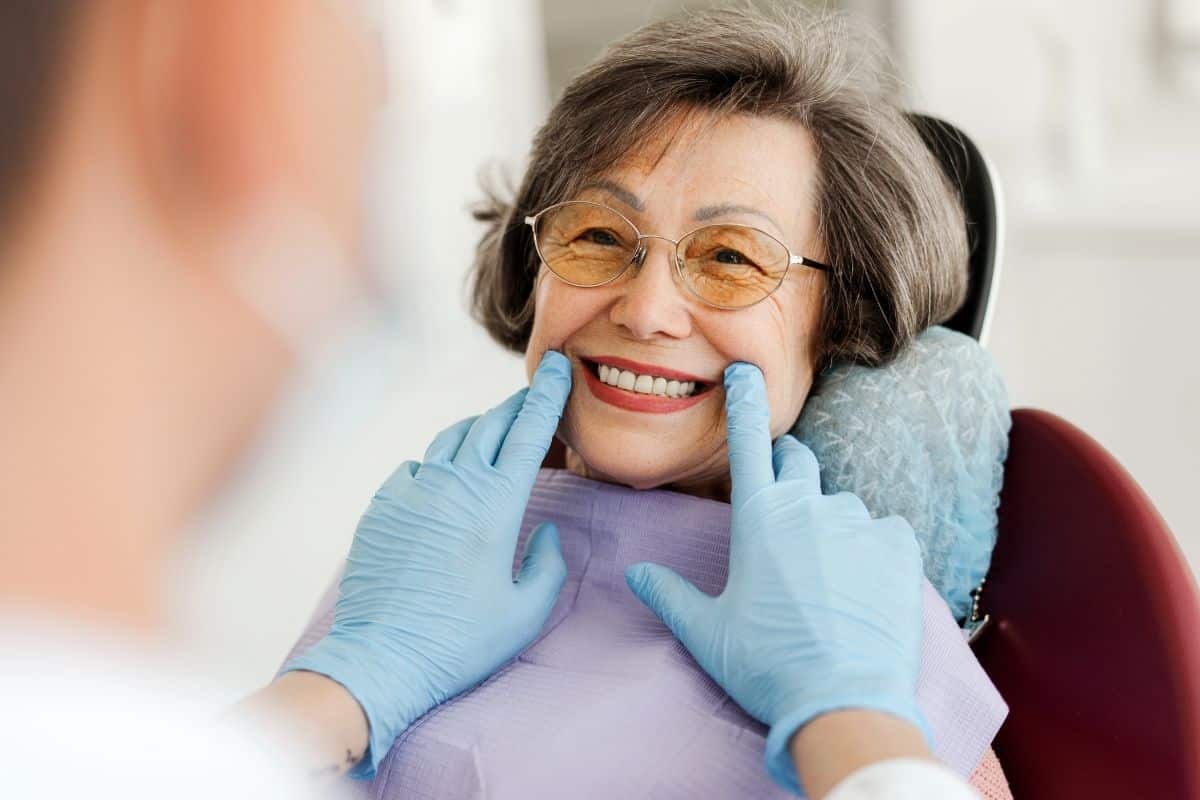
You have seen the before-and-after photos. You have scrolled past the ads. And somewhere between your morning coffee and that second glass of iced tea, you have wondered whether a brighter smile is even possible for you without spending the rest of the week wincing every time something cold touches your mouth.
Here is what most families in Chandler do not know. Having sensitive teeth does not disqualify you from getting a whiter smile. The rules are just a little different, and the approach has to be smarter. You too deserve to smile fully in every single moment. If you have been holding back because you are afraid of the discomfort, keep reading. The options available today are better and more comfortable, and the right one for you probably already exists.
Why Do Your Teeth Hurt After Brightening Treatments?
Understanding this changes everything. Most brightening treatments use hydrogen peroxide or carbamide peroxide as the active ingredient. These agents penetrate the outer enamel layer to break up deep stains. The problem is that these can also reach the dentin. And this inner layer is packed with tiny channels leading directly to your nerve endings. When that happens, you feel it.
The intensity of that reaction depends on a few things:
- How thick or worn your enamel is to begin with.
- Whether you have any gum recession exposing the root surface.
- The concentration of the peroxide in the product you are using.
- How long does the product stay in contact with your teeth.
This is exactly why many people searching for teeth whitening in Chandler are now asking about gentler options before committing to any harsh brightening products. A brighter smile should not come with unnecessary discomfort.
Options For Teeth Whitening That Work For Sensitive Smiles
Yes, you can brighten your smile without triggering your sensitive teeth, and the options are:
Custom Take Home Trays With Low Concentration Gel
This is one of the most recommended approaches for reactive teeth. A dental professional creates trays that are precisely molded to your mouth. You use them at home with a lower concentration gel, usually between 10 and 16 percent carbamide peroxide.
Why this works well for sensitivity:
- The custom fit means the gel stays on your teeth and away from gum tissue.
- Lower concentration means less nerve irritation.
- You control the duration and can stop at any point.
- Results build gradually over one to two weeks rather than hitting your nerves all at once.
Sensitivity Formulated Strips
Teeth-brightening strips for sensitive teeth use around 5 percent hydrogen peroxide, which is significantly gentler than standard formulas. They are a good starting point if you want to test your tolerance before committing to a longer treatment.
Tips for using them effectively:
- Wear them for the minimum recommended time, especially in the first few days.
- Do not use them on consecutive days if you start feeling discomfort. Give your teeth a day to recover.
- Use a potassium nitrate toothpaste alongside the strips. This ingredient actively calms nerve response.
Sensitivity Toothpaste That Doubles As A Brightening Agent
Some dental bleaching products do two jobs at once. They deliver mild peroxide activity to lift surface stains while the potassium nitrate formula builds a protective barrier around exposed nerve channels. Results are gradual, but for people with significant sensitivity, this is often the most comfortable option.
Professional Treatments With Desensitizing Agents
When handled by an oral health professional, professional teeth whitening is the safest approach. The difference is precision. Concentration levels are calibrated to your specific enamel condition. They also apply desensitizing agents that can be used immediately after to calm the teeth before you leave.
This option is ideal if:
- You have a specific event coming up and need results faster.
- You have tried at-home options and found them too unpredictable.
Are DIY Options & Store Products Worth The Risk?
They may seem convenient, but they often create uneven results. Common issues include:
- One size fits all strips that slide around
- Gum irritation
- Uneven color changes
- Overuse that weakens enamel
- Higher discomfort levels
Patients spend months testing random advertised products. Either they experienced heightened sensitivity or uneven results.
What Habits Can Keep Your Smile Brighter Longer?
Your daily routine matters to keep the results from teeth whitening in Chandler durable. So, try these habits:
- Rinse with water after coffee or wine
- Use a straw for darker beverages
- Limit tobacco use
- Brush after stain, causing meals
- Schedule regular cleanings
- Avoid overusing charcoal products
Chandler families love outdoor dining, festivals, and seasonal events like the Ostrich Festival. That often involves coffee drinks, barbecue, sauces, and desserts. You do not need to avoid them completely. You simply need smarter habits afterward.
When Should You Consult A Professional Post-Whitening Treatment?
Mild discomfort for a day or two after teeth whitening is fairly common. Your teeth may feel slightly sensitive to cold drinks or hot foods for a short period. That usually improves on its own.
However, some symptoms should not be ignored.
The American Dental Association recommends consulting a dental professional if irritation continues, especially if symptoms worsen over time.
If you feel sharp pain that lasts for several days, notice gum irritation that is not healing, or struggle to eat and drink comfortably after treatment, it is time to schedule a dental visit. These signs may indicate enamel irritation, exposed roots, or an underlying issue present before treatment began.
You should also seek help if your teeth develop white spots, uneven shades, or your results fade unusually fast. In some cases, repeated use of over-the-counter products can weaken enamel and create long-term discomfort.
Your Smile Deserves A Personalized Plan That Feels Comfortable
You should not have to choose between confidence and comfort. Modern cosmetic care offers better solutions for people who thought brighter teeth were out of reach. If you have been delaying teeth whitening in Chandler, we can help you explore options that fit your comfort level and smile goals. Our team focuses on results that feel natural, controlled, and comfortable. Schedule your visit with Canyon State Dental and take the first step toward a brighter smile that feels as good as it looks.
Frequently Asked Questions (FAQs)
Q. Can people with sensitive teeth still whiten their teeth?
Yes, many people with tooth sensitivity can still brighten their smiles. The key is choosing gentler treatments, lower peroxide formulas, or custom trays recommended by a dental professional to reduce discomfort during and after treatment.
Q. How long does tooth sensitivity last after whitening?
Mild discomfort usually lasts between 24 to 48 hours after treatment. If pain persists beyond a few days or worsens, it may indicate enamel irritation or another oral health issue.
Q. Is professional whitening better than store-bought strips for sensitive teeth?
Professional treatments are often a better option because they are customized based on your oral health. Store-bought strips can irritate gums, cause uneven results, and may worsen discomfort if used incorrectly.
Q. What ingredients should people with sensitive teeth avoid in whitening products?
High concentrations of hydrogen peroxide, abrasive charcoal ingredients, and overly acidic whitening formulas can increase discomfort. Reading product labels carefully or asking a dental professional for guidance can help prevent irritation.
Q. Can whitening damage enamel permanently?
When used correctly, approved whitening treatments do not permanently damage enamel. Overusing products or applying them too often can create unnecessary irritation and weaken enamel over time.
Q. Why do my teeth hurt more after using whitening strips?
Whitening strips may expose tooth nerves if the enamel is already thin or worn down. Poor-fitting strips can also irritate gum tissue, leading to discomfort after treatment.
Q. How can I maintain whitening results without causing sensitivity?
Brush with a soft toothbrush, avoid stain-causing beverages, drink water after meals, and use non-abrasive oral care products. Regular cleanings also help maintain results while protecting enamel.