
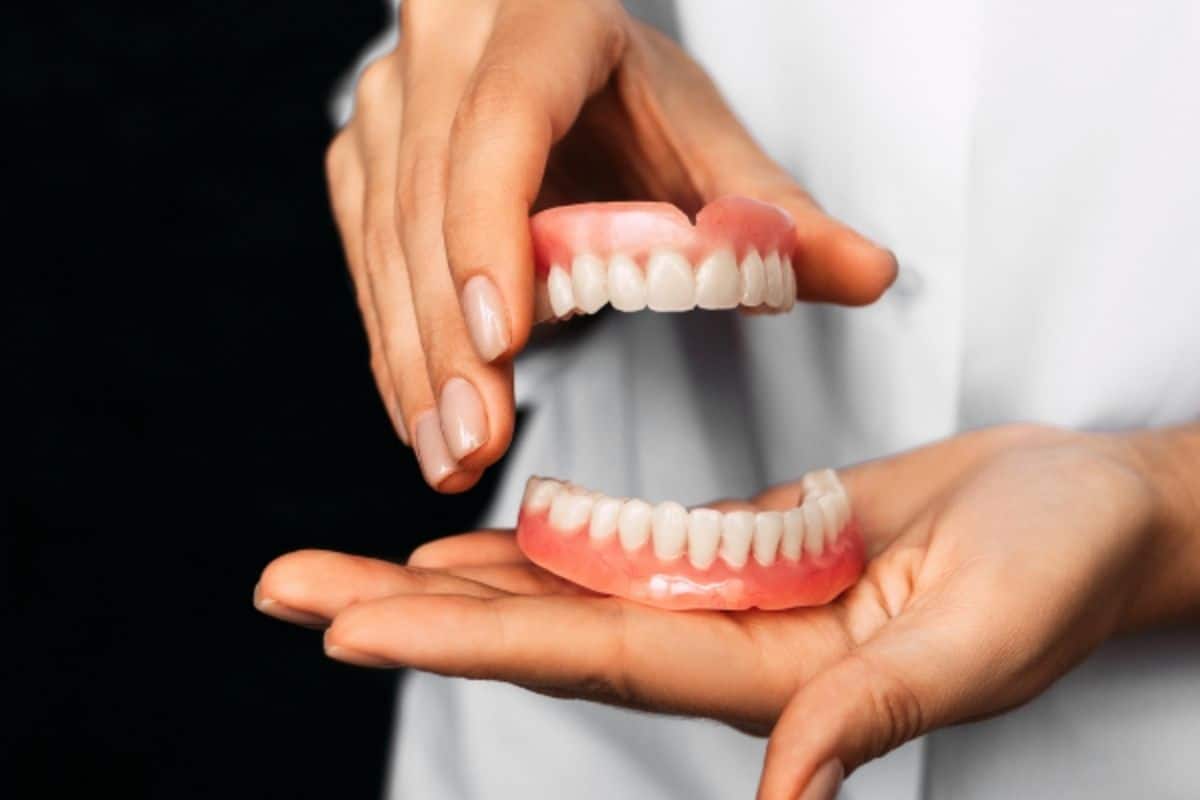
Getting used to a dental appliance can feel unfamiliar at first. You may wonder whether it will move while you talk, feel bulky when you eat, or simply take too long to get used to. Those concerns are completely understandable, especially when you are considering replacing missing teeth.
The good news is that comfort often improves as your mouth adjusts. The fit, design, materials, and your dentist’s adjustments all play an important role in how natural an appliance feels during everyday activities.
What Should New Wearers Expect?
If you are considering upper partial dentures, it is normal for the first few days to feel different. Your tongue and cheeks may notice the appliance, and you may be more aware of it while speaking or chewing.
That does not necessarily mean something is wrong. Your mouth needs time to adapt to the new shape and pressure. With regular wear and proper care, many patients become much more comfortable using their appliance during daily activities.
The key is making sure it fits properly. An appliance that is professionally designed and adjusted should feel secure without causing persistent soreness or irritation.
Why Can They Feel Uncomfortable at First?
Several factors can contribute to early discomfort:
- A new sensation: Your mouth needs time to adjust to having something new inside it.
- Pressure on the gums: Certain areas may feel tender while you are getting accustomed to the appliance.
- Changes in speech: Some words may sound different initially.
- Increased saliva: Your mouth may temporarily produce more saliva.
- Fit issues: A loose or improperly fitted appliance can rub against the gums or move during eating and speaking.
Most mild adjustment concerns improve with time. However, ongoing pain or significant irritation should not simply be ignored.
How Your Dentist Can Improve Comfort
Comfort is not something you should have to sacrifice for a functional replacement for missing teeth.
Your dentist can examine the fit and identify areas that may need adjustment. Even a small modification can make a noticeable difference when an appliance is rubbing against a sensitive area.
At Canyon State Dental, discussing your daily routine, concerns, and expectations can help your dental team determine whether a removable partial appliance is appropriate for you. A personalized evaluation is especially important because every mouth has different anatomy, remaining teeth, and oral-health needs.
Eating With Your New Appliance
Food is often one of the biggest concerns for new wearers.
Start by choosing softer foods that are easier to chew. As you become more comfortable, gradually return to a broader range of foods. Cutting food into smaller pieces and chewing evenly on both sides can also help you feel more stable.
You may initially want to be cautious with foods that are particularly sticky, hard, or difficult to bite through.
For patients who need appliances for both arches, upper and lower partial dentures can require a slightly different adjustment period because both appliances need to work comfortably together.
Speaking May Feel Different
It is common to notice changes in speech when you first begin wearing a removable dental appliance.
Reading aloud at home can help your tongue become familiar with the new shape. Talking with family or friends can also help you regain confidence naturally.
If speech difficulties continue or the appliance feels like it is interfering with normal conversation, let your dentist know. A fit evaluation may help.
When Should You Call Your Dentist?
Some adjustment discomfort can be expected, but persistent problems deserve professional attention.
Contact your dental office if you experience:
- Ongoing gum soreness
- Significant rubbing or irritation
- Difficulty keeping the appliance in place
- Pain when chewing
- Persistent difficulty speaking
- Cracked or damaged components
- A noticeable change in fit
Do not try to reshape or repair the appliance yourself. An adjustment by a dental professional is safer and can help protect your gums and remaining natural teeth.
Simple Ways to Make the Adjustment Easier
A few everyday habits can make the transition smoother:
- Wear the appliance according to your dentist’s instructions.
- Clean it regularly using the recommended method.
- Give your gums appropriate rest when advised.
- Handle the appliance carefully when removing or inserting it.
- Keep regular dental visits to monitor your oral health and fit.
- Tell your dentist about discomfort instead of trying to tolerate it indefinitely.
Your remaining natural teeth and gums also need continued attention. A removable appliance does not replace regular brushing, flossing, professional cleanings, and dental examinations.
A Comfortable Fit Starts With the Right Evaluation
There is no single comfort experience that applies to everyone. Factors such as the number and position of missing teeth, gum health, remaining tooth structure, bone support, and the appliance design can all influence how it feels.
That is why a consultation matters. Your dentist can evaluate your mouth and discuss available options based on your specific needs rather than relying on a one-size-fits-all approach.
If missing teeth are making eating, speaking, or everyday activities more difficult, it may be time to explore your options.
Frequently Asked Questions
Can they feel uncomfortable when I first start wearing them?
Yes. Mild awareness, tenderness, or changes in speech can occur during the adjustment period. Persistent pain or rubbing should be evaluated by your dentist.
How long does it take to get used to a removable partial appliance?
Everyone adjusts differently. Some people become comfortable relatively quickly, while others need more time. Consistent use as directed and appropriate dental adjustments can make the transition easier.
Can I eat normally with them?
Many people can enjoy a wide variety of foods after adjusting. Starting with softer foods and gradually introducing firmer foods can make eating more comfortable.
What should I do if they move while I am talking or eating?
Movement may indicate that the appliance needs evaluation or adjustment. Schedule a dental visit rather than attempting to modify it yourself.
Can a dentist make them more comfortable?
Yes. If an appliance is causing persistent irritation, slipping, or pressure in certain areas, your dentist can assess the fit and determine whether an adjustment or another treatment option is appropriate.
Ready for a More Comfortable Solution?
Replacing missing teeth should not mean putting up with constant discomfort. The right treatment can help make everyday activities feel easier while supporting your oral health and confidence.
Canyon State Dental is here to help you explore your options with personalized care. Book an appointment today to discuss your concerns and find out whether a removable partial solution is right for you.