
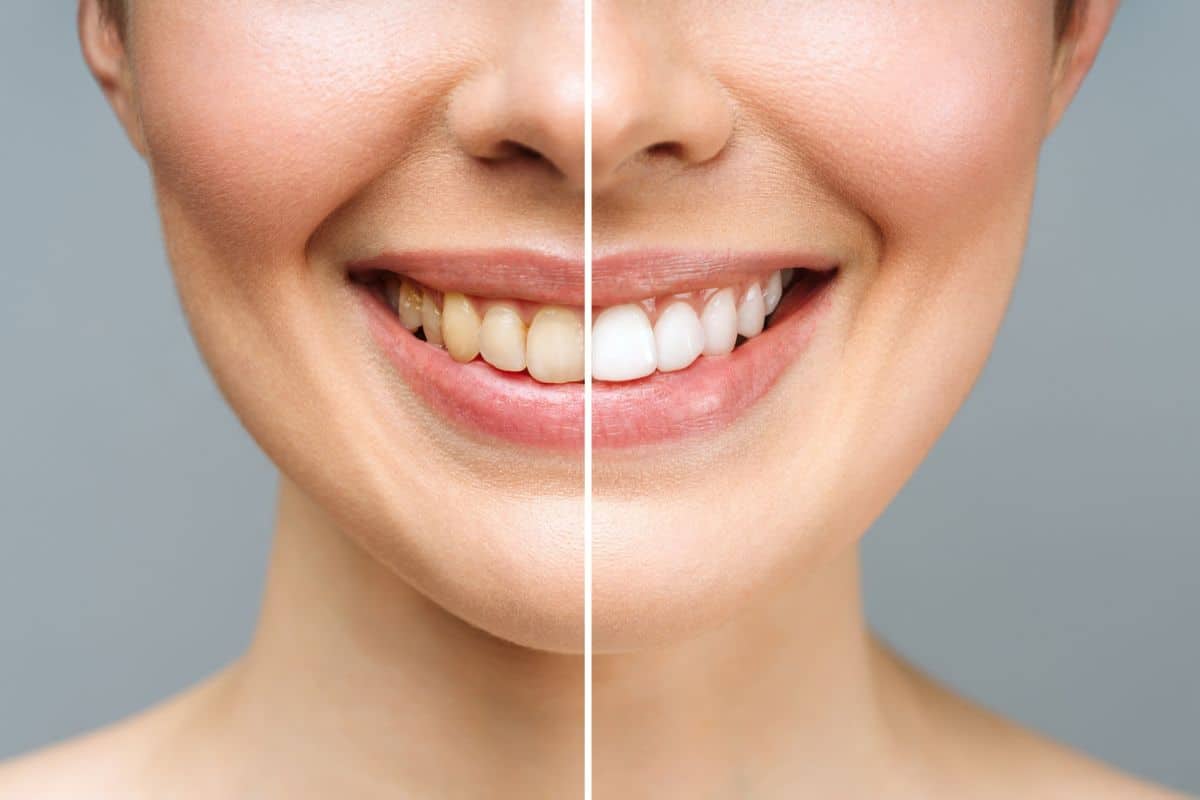
You brush every morning, clean your teeth before bed, and try to keep up with your oral hygiene. So why do your teeth still look yellow? It can be frustrating when you take good care of your teeth but do not see the bright, clean appearance you expect.
The truth is that brushing every day does not always prevent tooth discoloration. Your daily habits, the natural color of your teeth, certain foods and drinks, and changes in your enamel can all affect how your teeth look. Understanding the cause is the first step toward choosing the right way to improve their appearance.
If you live in Chandler, AZ, and have noticed stubborn yellow stains, professional teeth whitening may be worth discussing with your dental team.
What Makes Teeth Look Yellow?
Teeth are not naturally pure white. Beneath the hard outer layer called enamel is dentin, which usually has a yellowish color. When enamel becomes thinner or more translucent, the dentin underneath can become more noticeable.
Surface stains can also build up over time, even when you brush consistently. The right solution depends on whether the discoloration comes from everyday habits, enamel changes, or another dental concern.
Common Reasons Your Teeth May Be Turning Yellow
Coffee, Tea, and Other Dark Drinks
Do you start your morning with coffee or enjoy iced tea during a warm Chandler afternoon? These drinks contain pigments that can gradually stain the surface of your teeth.
Other common sources of discoloration include:
- Red wine and dark-colored beverages
- Cola and other dark sodas
- Certain deeply pigmented foods
- Tobacco products
You do not necessarily have to give up your favorite drinks. Drinking water afterward and maintaining consistent oral hygiene can help reduce staining over time.
Enamel Wear and Natural Aging
Enamel protects your teeth, but it can gradually wear down. Acidic foods and drinks, aggressive brushing, and normal aging can contribute to enamel erosion.
As the enamel becomes thinner, the yellowish dentin underneath may show through more clearly. Whitening toothpaste cannot restore lost enamel, so it is important to identify the cause before choosing a treatment.
Brushing Technique and Plaque Buildup
Brushing twice daily is important, but technique matters, too. Rushing through your routine or missing areas along the gumline can allow plaque to accumulate.
Over time, plaque can harden into tartar, which cannot be removed with an ordinary toothbrush. Tartar may appear yellow or brown and often requires professional cleaning.
Try these simple habits:
- Brush for two minutes using a soft-bristled toothbrush.
- Use fluoride toothpaste.
- Clean gently along the gumline.
- Floss daily to remove debris between teeth.
- Replace your toothbrush when the bristles become worn.
Remember, brushing harder is not the answer. Gentle, thorough cleaning is better for your enamel and gums.
Certain Medications and Dental Conditions
Some medications and medical treatments can affect tooth color. Discoloration may also develop after dental trauma or as a result of changes that occur while teeth are forming.
If one tooth suddenly becomes darker than the others, do not assume it is an ordinary stain. A dental examination can help identify the cause and determine whether treatment is needed.
Genetics and Your Natural Tooth Color
Some people naturally have thicker enamel or lighter-looking teeth than others. Your genetics influence the thickness of your enamel and the color of the dentin beneath it.
That means yellowish teeth are not necessarily a sign of poor oral hygiene. Your natural tooth color may simply be warmer than you expected.
Can Professional Whitening Help?
Professional teeth whitening can help reduce certain types of discoloration and improve the appearance of stained teeth. However, the results depend on the cause of the yellowing.
For people considering Teeth whitening Chandler services, a dental evaluation can help determine whether whitening is appropriate or whether another treatment would be more effective.
Depending on your needs, your dental team may recommend:
- Professional cleaning: Helpful for removing plaque, tartar, and some surface stains.
- Professional whitening: Uses whitening agents to lighten suitable natural teeth.
- Whitening toothpaste: May help remove some surface stains but generally does not change the natural color of teeth significantly.
- Restorative or cosmetic treatment: May be considered when discoloration cannot be corrected adequately with whitening alone.
Crowns, veneers, fillings, and other restorations do not whiten like natural tooth enamel. Your dental team can explain how to approach discoloration when you have existing dental work.
What Should You Avoid When Trying to Whiten Your Teeth?
It is tempting to try quick home remedies when stains refuse to disappear. However, some methods can cause more harm than good.
Avoid scrubbing your teeth with abrasive household ingredients, using acidic substances such as lemon juice, or applying whitening products more frequently than directed.
These practices may irritate your gums or damage enamel. If your teeth are already sensitive, ask your dental professional which options are appropriate before starting a whitening routine.
A Simple Self-Check: What Might Be Causing the Yellowing?
Think about what you have noticed recently.
- Yellowing across many teeth: Natural tooth color, surface stains, or enamel thinning may be contributing.
- Stains near the gumline: Plaque or tartar buildup may be involved.
- Darkening in just one tooth: Trauma or another dental issue may need evaluation.
- Sensitivity along with discoloration: Enamel wear or another underlying problem could be responsible.
These clues cannot confirm a diagnosis, but they can help you explain your concerns during your next appointment.
Frequently Asked Questions
Can teeth be yellow even if I brush twice a day?
Yes. Natural dentin color, enamel thickness, dietary stains, and tartar buildup can all affect tooth color despite regular brushing.
Does brushing harder make teeth whiter?
No. Brushing aggressively can irritate your gums and contribute to enamel wear. Use a soft-bristled toothbrush and gentle pressure instead.
How can I remove yellow stains from my teeth?
The right approach depends on the cause. Professional cleaning may remove surface deposits, while professional whitening may help with certain stains. A dental evaluation can help identify the appropriate option.
Does whitening toothpaste work on yellow teeth?
Whitening toothpaste can help remove some surface stains, but it usually cannot significantly change your natural tooth color or correct discoloration caused by thinning enamel.
When should I see a dental professional about yellow teeth?
Consider an appointment if discoloration persists despite good oral hygiene, you notice sudden changes in tooth color, or you experience pain or sensitivity. Sudden darkening of a single tooth deserves particular attention.
Get to the Bottom of Tooth Discoloration
Yellow teeth do not automatically mean you are neglecting your oral health. Sometimes, the cause is a daily habit. Other times, it comes down to genetics, enamel changes, or stains that ordinary brushing cannot remove.
The best next step is to understand what is affecting your teeth before trying another whitening product. Canyon State Dental can help you explore your options and determine whether professional cleaning, whitening, or another treatment may suit your needs.
Schedule an appointment today to discuss your concerns and take a confident step toward a healthier-looking smile.