
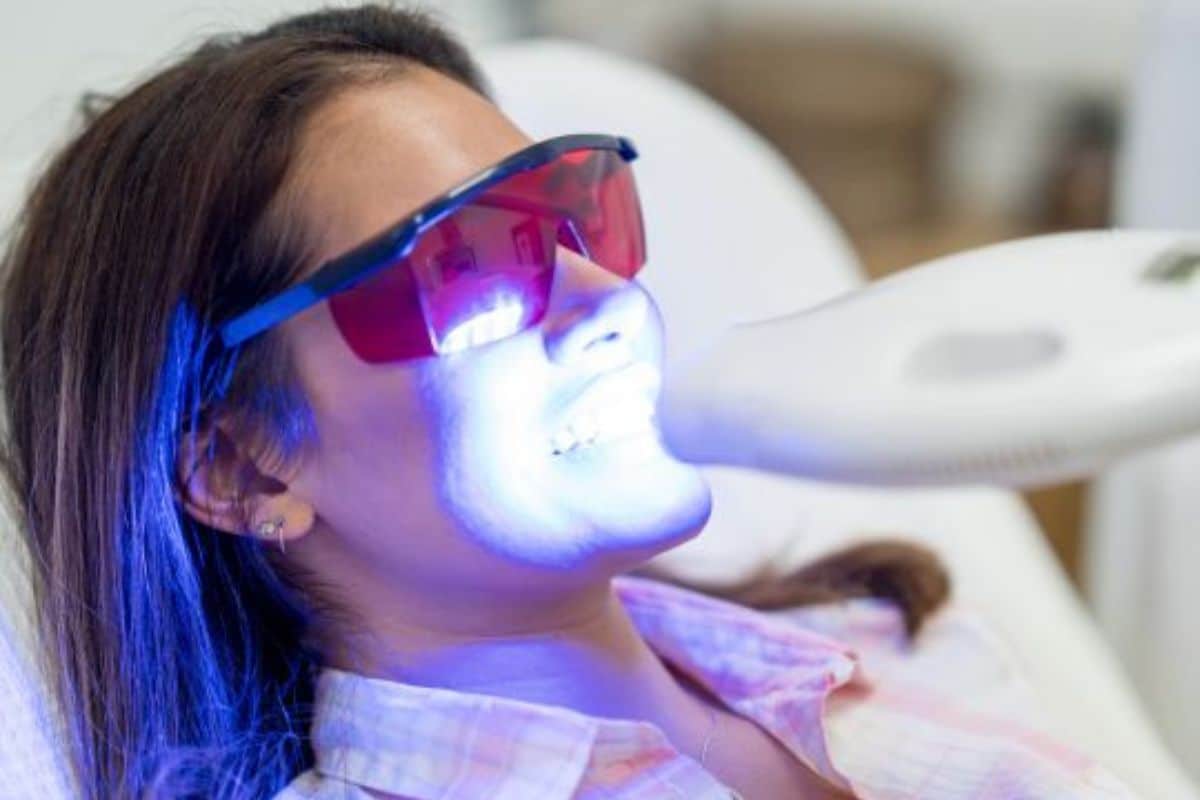
Teeth whitening is one of the most popular cosmetic dental procedures, providing a brighter, more confident smile. However, a common concern among individuals considering this treatment is whether teeth whitening can damage the enamel. In this blog post, we’ll address this concern and provide essential information on how to safely whiten your teeth without harming your enamel.
What is Tooth Enamel?
To understand the effects of teeth whitening on enamel, it’s important to know what enamel is and why it’s crucial. Tooth enamel is the hard, outer layer of your teeth, protecting the sensitive inner layers from damage caused by chewing, biting, and exposure to acids and sugars. While enamel is incredibly strong, it can wear down over time due to factors like poor oral hygiene, acidic foods, and aging.
Enamel cannot regenerate, so protecting it is vital to maintaining long-term dental health.
How Does Teeth Whitening Work?
Teeth whitening treatments work by using bleaching agents-typically hydrogen peroxide or carbamide peroxide-that penetrates the enamel to break down stains in the dentin, the underlying tooth layer. These agents lift both surface stains and deeper discolorations caused by food, drinks, smoking, and aging.
While teeth whitening is highly effective, many people worry that the chemicals used may erode or weaken their enamel over time.
Does Teeth Whitening Damage Enamel?
The good news is that, when performed correctly, teeth whitening does not damage enamel. Studies have shown that professional teeth whitening, whether done in-office by a dentist in Chandler or with professional-grade at-home kits, is safe and does not cause permanent harm to the enamel.
The key lies in the proper application and the concentration of the bleaching agent. Professional treatments are carefully controlled, ensuring that the peroxide levels are safe and effective. Dentists can also customize the treatment to suit your specific needs, ensuring the best results with minimal risk of sensitivity or enamel erosion.
At-Home Whitening: Proceed with Caution
While professional teeth whitening is safe for enamel, at-home products can be riskier. Over-the-counter whitening products, such as strips, gels, or toothpaste, often contain lower concentrations of bleaching agents, which can make them less effective. People may be tempted to overuse these products, believing that more frequent use will yield faster results. However, this can lead to enamel damage and increased tooth sensitivity.
It’s essential to follow the instructions provided with any whitening product and avoid prolonged or excessive use. If you’re unsure about which products are safe or most effective, consulting a dentist before starting any at-home treatment is a smart move.
Sensitivity After Whitening: Is It Enamel Damage?
After whitening treatments, some individuals experience tooth sensitivity. This is often mistaken for enamel damage, but in most cases, the sensitivity is temporary. Whitening agents can cause dehydration of the teeth, leading to increased sensitivity to temperature changes for a short period.
To minimize discomfort, dentists may recommend using toothpaste designed for sensitive teeth or applying fluoride treatments to help strengthen the enamel. Always inform your dentist if you experience prolonged sensitivity following whitening so they can provide appropriate solutions.
Tips for Protecting Your Enamel During Whitening
While teeth whitening is generally safe, there are several steps you can take to ensure your enamel remains healthy throughout the process:
Opt for Professional Whitening
The safest way to whiten your teeth is under the supervision of a dentist. Professional-grade products are tailored to your dental health, and dentists can control the concentration and duration of exposure to the whitening agents.
Limit Whitening Frequency
Even with professional treatments, avoid over-whitening your teeth. Overuse of whitening agents can lead to sensitivity and increase the risk of damaging your enamel. Most people only need touch-up treatments every few months to a year, depending on their lifestyle and the initial whitening results.
Maintain Good Oral Hygiene
Healthy enamel is less likely to be affected by whitening treatments. Regular brushing with fluoride toothpaste, flossing, and using mouthwash can strengthen your enamel and keep your teeth looking bright and healthy.
Avoid Acidic Foods and Drinks
Acidic foods and drinks can weaken enamel, making it more susceptible to damage. Reduce your consumption of highly acidic beverages like sodas, citrus juices, and wine, especially after whitening treatments when your teeth may be more sensitive.
Use Desensitizing Products
If you’re prone to tooth sensitivity, consider using a desensitizing toothpaste before and after whitening. This can help reduce discomfort and protect your enamel.
When to Consult a Dentist
If you’re considering teeth whitening but are concerned about the effects on your enamel, it’s best to consult with a dentist. A professional can assess the condition of your teeth and recommend the most suitable whitening options for you. Additionally, your dentist will monitor the treatment to ensure it’s being done safely, minimizing any risks to your enamel.
Conclusion
Teeth whitening, when performed properly, does not damage tooth enamel. Whether you choose professional in-office whitening or an at-home treatment recommended by your dentist, you can achieve a whiter, brighter smile without compromising the integrity of your teeth. By following best practices and maintaining good oral hygiene, you can safely enhance your smile and keep your enamel healthy for years to come.