
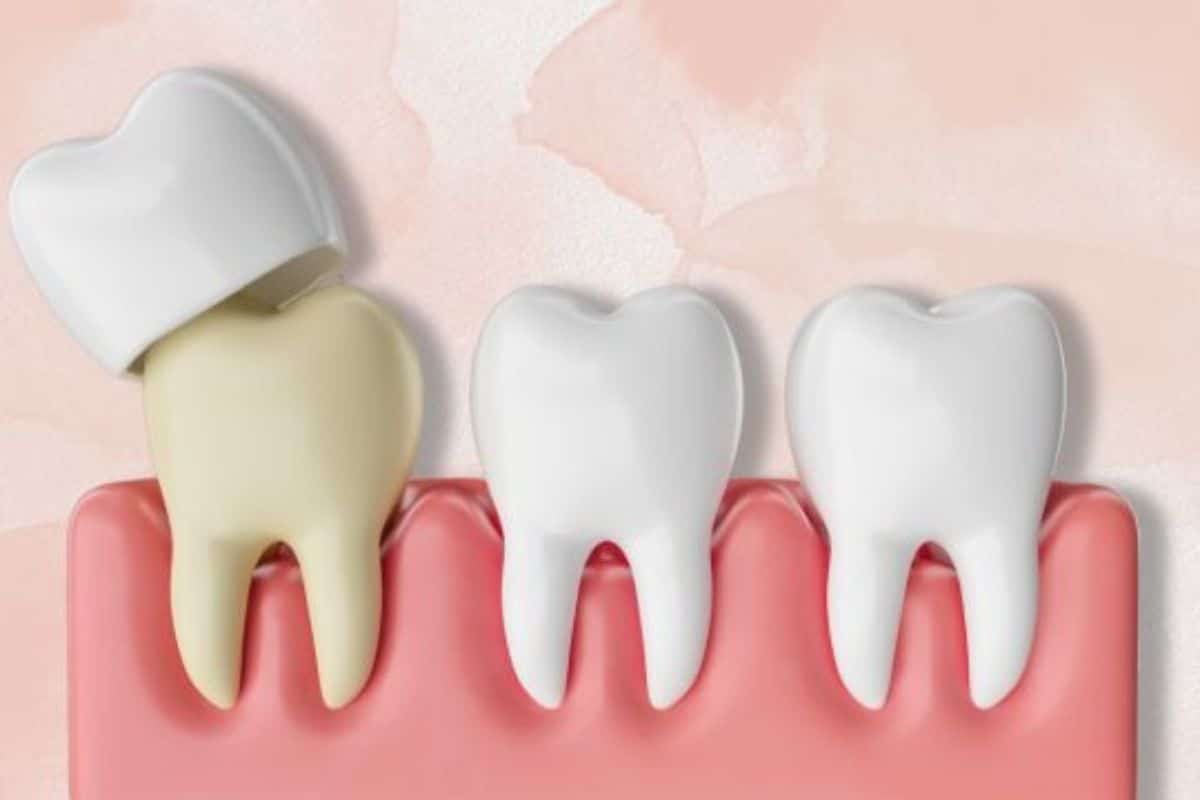
Dental crowns are a popular solution for restoring damaged teeth, improving aesthetics, and providing long-lasting support. If you’re considering dental crowns or have already received them, you might be wondering how long they last and how to extend their lifespan. Understanding the factors that influence the longevity of crowns can help you maintain your dental investment. If you’re looking for a dentist, they can provide guidance tailored to your specific needs.
Average Lifespan of Dental Crowns
The lifespan of dental crowns can vary significantly based on several factors, including the material used, the location of the crown, and your oral hygiene practices. On average, dental crowns can last anywhere from 5 to 15 years. Here’s a breakdown of the typical lifespan of different types of crowns:
Porcelain Crowns: Often used for front teeth due to their aesthetic appeal, porcelain crowns can last 5 to 15 years with proper care.
Ceramic Crowns: Similar to porcelain, ceramic crowns are also esthetically pleasing and can last between 10 to 15 years.
Metal Crowns: These crowns are incredibly durable and can last 10 to 20 years. However, they are typically used for back teeth due to their metallic appearance.
Porcelain-Fused-to-Metal Crowns: Combining aesthetics and strength, these crowns can last 5 to 15 years but may be prone to chipping.
Factors Affecting the Lifespan of Dental Crowns
Material Quality: Higher-quality materials tend to last longer. Discuss your options with your dentist to find the best fit for your needs.
Location in the Mouth: Crowns on back teeth, which endure more pressure from chewing, may wear down faster than those on front teeth.
Oral Hygiene: Maintaining good oral hygiene is crucial. Neglecting to brush and floss can lead to decay or gum disease, which can compromise the crown.
Dietary Habits: A diet high in sugar and acidic foods can lead to decay, while hard foods can chip or crack crowns. Avoiding extremely hard or sticky foods can help protect your crowns.
Bruxism: Grinding or clenching your teeth can significantly shorten the lifespan of dental crowns. If you suspect you have this condition, consult your Chandler dentist about potential treatments.
Regular Dental Checkups: Regular visits to your dentist can help catch any issues early, ensuring that your crowns and surrounding teeth are in optimal health.
Tips for Extending the Lifespan of Your Dental Crowns
To maximize the longevity of your dental crowns, consider implementing the following tips:
Practice Good Oral Hygiene:
Brush your teeth twice a day with fluoride toothpaste and floss daily. Consider using an antibacterial mouthwash to help reduce plaque buildup around the crown.
Avoid Hard or Sticky Foods:
Be cautious with hard foods like nuts, ice, and hard candies, which can chip or crack your crowns. Sticky foods like caramel can pull on crowns and loosen them.
Use a Nightguard if Necessary:
If you grind your teeth at night, wearing a nightguard can protect your crowns and natural teeth from excessive wear.
Visit Your Dentist Regularly:
Regular checkups will allow your dentist to monitor the condition of your crowns and surrounding teeth. They can provide professional cleanings and address any concerns before they escalate.
Stay Hydrated:
Drinking plenty of water can help wash away food particles and bacteria, reducing the risk of decay around your crowns.
Limit Staining Foods and Beverages:
Beverages like coffee, tea, and red wine can stain certain types of crowns. If you consume these, consider rinsing your mouth with water afterward.
Address Any Dental Issues Promptly:
If you experience any discomfort or notice changes in your crowns, schedule an appointment with your dentist as soon as possible.
When to Replace Your Dental Crowns
While crowns are designed to be durable, they may need replacement over time. Signs that you may need to replace your dental crowns include:
- Visible Wear or Damage: Cracks, chips, or significant wear can compromise the crown’s integrity.
- Decay at the Margin: If decay develops at the edge of the crown, it may need to be replaced to prevent further damage.
- Loosening: If a crown feels loose or comes off, it’s essential to consult your dentist immediately for assessment and replacement if necessary.
- Discomfort or Sensitivity: Ongoing discomfort or sensitivity around the crowned tooth can indicate an underlying issue that may require a new crown.
Conclusion
Dental crowns are an effective solution for restoring damaged teeth, and with proper care, they can last many years. If you’re seeking guidance on maintaining your crowns or are considering getting them, your dentist can provide personalized advice to help you protect your dental investments. Regular checkups, good oral hygiene practices, and being mindful of your dietary choices will go a long way in extending the lifespan of your dental crowns. With the right care, you can enjoy a healthy, beautiful smile for years to come!