
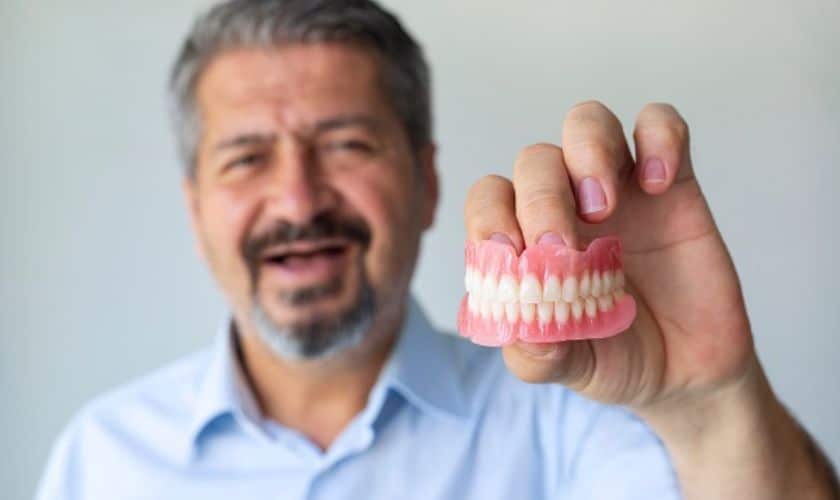
Dentures are a remarkable and transformative solution for tooth loss due to aging, injury, or other dental issues. They restore your ability to eat, speak, and smile confidently and play a vital role in maintaining oral health. This comprehensive blog will discuss dentures, covering types, benefits, and essential care. Tooth loss can be a challenging experience, impacting both your oral health and self-esteem. Whether you’re missing a few teeth or require a full set, there’s a denture solution suitable for your needs. We’ll discuss various types of available dentures, including full dentures for complete tooth replacement and partial dentures for filling in gaps while preserving your remaining natural teeth. Proper care and maintenance are essential to ensuring the longevity and functionality of your dentures.
What Is Dentures?
Dentures, also known as false teeth, are removable prosthetic devices used to replace missing teeth and restore the appearance and functionality of a person’s smile. They are custom-made to fit comfortably in the mouth and can be made to replace either a few missing teeth or a full set of teeth. There are two main types of dentures: complete dentures and partial dentures. Complete dentures are used when all natural teeth have been lost, while partial dentures are used when some natural teeth remain. Both types of dentures consist of artificial teeth attached to a base that resembles gum tissue. Getting dentures typically involves several appointments with a dentist or prosthodontist. During these visits, measurements will be taken and impressions made to ensure that the final product fits properly. Once the denture is ready, it will be adjusted for optimal comfort and function. Caring for dentures is important to maintain their longevity and keep them looking their best. Denture wearers should clean their prosthetics daily using a soft toothbrush or a special cleaner designed specifically for dentures. It is also recommended to soak them overnight in water or a cleaning solution.
Types Of Dentures
Regarding dentures, several options are available to meet individual’s different needs. Let’s take a closer look at the various types of dentures.
Complete Dentures:
These are used when all teeth in the upper or lower arch are missing or need extraction. Complete dentures rest directly on the gums and provide both aesthetic appeal and functional support.
Partial Dentures:
If only a few natural teeth need to be replaced, partial dentures can be an excellent solution. They consist of replacement teeth attached to a metal framework that clasps onto existing teeth for stability.
Implant-Supported Denture:
This type of denture is anchored by dental implants surgically placed into the jawbone. Implant-supported dentures offer increased stability and prevent bone loss in the jaw.
Overdenture:
Like implant-supported dentures, overdentures utilize dental implants but can be supported by remaining natural teeth or tooth roots.
Process Of Getting Dentures
Getting dentures is a multi-step journey that involves several visits to your dentist. It starts with an initial consultation, where your dentist will assess your oral health and determine if dentures are the right solution. They will also take impressions of your mouth to ensure a proper fit. Next comes the preparation phase, where any necessary extractions or dental work is done before fitting the dentures. This may involve removing damaged teeth or treating gum disease to create a healthy foundation for your new smile. Once your mouth is ready, the next step is creating a jaw and bite alignment model. This helps customize the denture teeth’ shape, size, and color for a natural-looking result. Your dentist will provide temporary dentures to wear and evaluate their fit and appearance. Adjustments can be made at this stage until you are satisfied with how they look and feel. The dentist will ensure they are comfortable and functional before sending you off with clear instructions on how to properly care for them. Remember that getting used to wearing dentures takes time, patience, and regular check-ups with your dentist for any necessary adjustments along the way.
How To Care Dentures
Caring for your dentures is essential to keep them in good condition and ensure they last a long time. Here are some tips on how to properly care for your dentures:.
Handle with Care:
When removing or inserting your dentures, be gentle and avoid dropping them. Hold them over a soft towel or filled sink so that if they do slip, they won’t break.
Clean Regularly:
Just like natural teeth, dentures need to be cleaned daily. Use a soft-bristled toothbrush, special denture brush, mild soap, or denture cleaner to remove food particles, stains, and plaque.
Soak Overnight:
It’s important to rest your gums by removing the dentures at night before going to bed. Please place them in water or a soaking solution recommended by your dentist.
Avoid Hot water.
Never use hot water when cleaning or soaking your dentures, as it can cause warping or damage to the material.
Brush Your Gums and tongue.
Even without natural teeth, it’s still crucial to maintain good oral hygiene by brushing your gums and tongue with a soft toothbrush every day.
Regular Check-ups:
Schedule regular visits with your dentist, who will look over the fit of the dentures, adjust if necessary, and check for any signs of damage or irritation in the mouth.
Benefits Of Dentures
Dentures offer numerous benefits to individuals who have lost their natural teeth. One of the main advantages is improved aesthetics. Dentures are designed to closely resemble natural teeth, giving wearers a more youthful and attractive smile. This can significantly boost self-confidence and improve overall self-esteem. Furthermore, dentures restore proper mouth functioning, allowing individuals to eat a wider variety of foods without discomfort or difficulty. With dentures in place, people can enjoy their favorite meals once again and maintain a balanced diet for better overall health. In addition to these functional benefits, dentures also support facial muscles, preventing sagging and maintaining the structure of the face. This can help individuals look younger and avoid changes in their appearance that often accompany tooth loss. Another advantage of dentures is that they are relatively affordable compared to other tooth replacement options, such as dental implants. They offer an effective solution for those on a budget who still want to regain their oral functionality. Dentures offer significant physical and psychological benefits by improving aesthetics, restoring proper function, supporting facial muscles, and providing an affordable tooth replacement option for those in need.
This comprehensive blog has discussed the different types of dentures available, how to get them, and how to care for them. Dentures offer a practical solution for those who have lost their natural teeth or need to replace damaged ones. They restore your smile, improve your ability to chew, and help you speak confidently. When choosing the right type of denture for you, it is essential to consult with your dentist, who can assess your specific needs and recommend the best option. Whether you opt for full dentures, partial dentures, implant-supported dentures, or overdentures will depend on factors such as your oral health condition and personal preference. While getting used to wearing dentures may take some time initially, patience and proper maintenance will go a long way in ensuring comfort and satisfaction. Dentistry has evolved significantly, offering innovative solutions like custom denture options tailored to each patient’s unique requirements.