
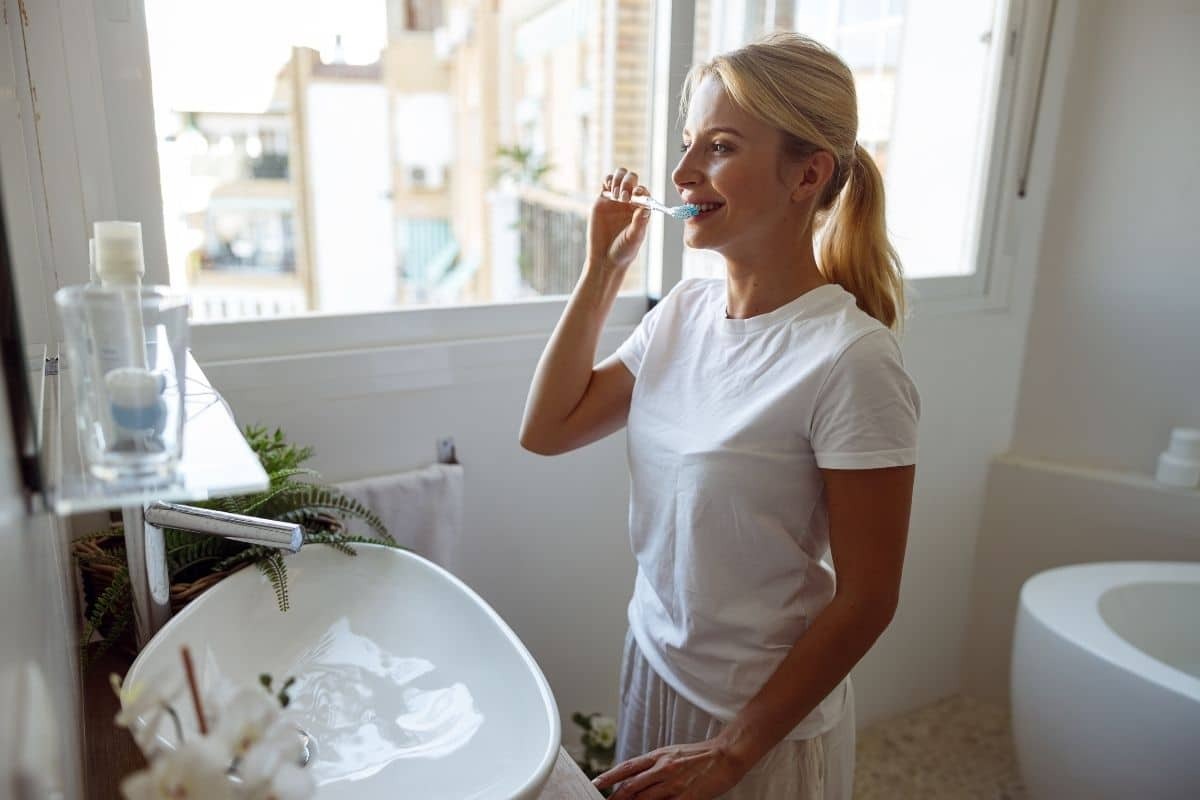
That fresh-from-the-dentist feeling doesn’t have to disappear the moment you leave the dental chair. With the right habits at home, you can keep your teeth feeling cleaner, your gums healthier, and your breath fresher throughout the week. The key is not scrubbing harder or using every dental product on the shelf. It is about cleaning thoroughly, gently, and consistently.
For many people, the hardest part is knowing what actually works. Plaque can collect along the gumline, between teeth, and in areas that are easy to miss during a rushed morning routine. A thoughtful home-care routine can remove everyday buildup before it becomes a bigger oral health concern, while professional cleanings take care of deposits that home brushing cannot safely remove.
If you are looking for guidance from a Dentist in Chandler, your daily routine is an important place to start. Here is a practical approach you can follow at home.
Start With a Thorough Brushing Routine
Brushing is the foundation of a clean mouth, but technique matters more than pressure.
Choose a soft-bristled toothbrush and fluoride toothpaste. Hold the brush at a slight angle toward the gumline and use gentle, short movements. Clean the outer, inner, and chewing surfaces of your teeth.
Pay particular attention to:
- The area where teeth meet the gums
- Back molars that are easy to overlook
- The inside surfaces of your front teeth
- Areas around dental work, if you have crowns, bridges, or implants
- Your tongue, where bacteria can accumulate
Aggressive brushing can irritate your gums and contribute to enamel wear. Clean thoroughly without treating your teeth like they need to be scrubbed.
Do Not Skip Between-Teeth Cleaning
A toothbrush cannot effectively reach every space between your teeth. That is why cleaning between teeth is such an important part of a deep-cleaning routine.
Traditional floss works well when used correctly. If handling floss is difficult, interdental brushes or other dentist-recommended cleaning tools may be helpful.
Gently guide the floss between the teeth and curve it around each tooth rather than snapping it against the gums. The goal is to remove plaque and trapped food without causing unnecessary irritation.
Give Your Tongue Some Attention
A clean tongue can contribute to fresher breath and a cleaner feeling in your mouth.
After brushing your teeth, gently brush your tongue or use a tongue cleaner. Avoid pressing too hard. If your tongue consistently looks unusually coated, painful, or irritated, talk with a dental professional rather than trying to scrape it aggressively.
Rinse, But Do Not Rely on Mouthwash Alone
Mouthwash can be a useful addition to your oral-care routine, depending on your individual needs. Some rinses are designed to help control plaque, while others contain fluoride or ingredients intended for specific concerns.
However, mouthwash should complement brushing and between-teeth cleaning—not replace them.
If you have sensitive teeth, dry mouth, gum concerns, or other oral health needs, ask your dental provider which type of rinse is appropriate for you.
Watch What Happens Between Meals
Deep cleaning is not only about what you do with a toothbrush. Everyday food and drink choices also affect how much plaque and acid your teeth encounter.
In the Chandler area, busy schedules can make it tempting to sip sweetened coffee, energy drinks, soda, or flavored beverages throughout the day. Frequent exposure to sugary or acidic drinks can make it harder to protect your teeth.
Try these simple habits:
- Drink water regularly
- Limit frequent sugary snacks
- Choose crunchy fruits and vegetables when appropriate
- Avoid constantly sipping sweetened or acidic beverages
- Rinse your mouth with water after acidic foods or drinks
Water is especially useful after meals when brushing is not convenient.
Know What You Cannot Remove at Home
There is an important difference between plaque and hardened tartar. Plaque is a soft bacterial film that can often be removed with proper daily care. Tartar, also called calculus, is hardened buildup that generally requires professional dental instruments for safe removal.
Trying to scrape tartar off yourself with sharp objects can damage your gums, enamel, or other oral tissues.
Professional cleanings also give your dental team an opportunity to identify problems that may not be obvious at home, including early gum inflammation, cavities, or areas that are consistently difficult to clean.
Make Your Routine Easier to Stick With
The best oral-care routine is one you can realistically maintain.
Keep your toothbrush and floss somewhere convenient. Replace a worn toothbrush or toothbrush head when the bristles become frayed. If you tend to rush, slow down and make sure every surface gets attention.
You can also use a simple checklist:
- Brush thoroughly in the morning
- Clean between your teeth daily
- Brush again before bed
- Clean your tongue gently
- Drink water throughout the day
- Schedule professional dental cleanings as recommended
- Pay attention to changes in your gums, teeth, or breath
Consistency matters more than complicated routines.
When Should You See a Dental Professional?
Home care is essential, but it cannot replace an examination and professional cleaning when you need one.
Schedule a dental visit if you notice persistent bleeding gums, swelling, tooth sensitivity, bad breath that does not improve, loose teeth, dental pain, or visible hardened buildup.
Frequently Asked Questions
Can I deep clean my teeth without going to a dentist?
You can keep your teeth and gums cleaner at home through careful brushing, between-teeth cleaning, and healthy daily habits. However, hardened tartar cannot usually be removed safely with household tools and may require professional cleaning.
Is brushing harder better for removing plaque?
No. Excessive pressure can irritate your gums and contribute to enamel wear. Gentle brushing with proper technique is more beneficial than aggressive scrubbing.
Should I floss before or after brushing?
Either order can work as long as you clean between your teeth consistently. Some people prefer flossing first because it helps loosen debris before brushing.
Can mouthwash replace flossing?
No. Mouthwash can be a useful addition to your routine, but it does not physically clean plaque from the spaces between teeth the way floss or an appropriate interdental cleaner can.
How can I tell if I need a professional cleaning?
Persistent gum bleeding, visible tartar, bad breath, swelling, or changes in your gums are good reasons to schedule a dental evaluation. Your dental team can determine how often professional cleanings are appropriate for you.
Keep Your At-Home Routine Simple and Consistent
A cleaner mouth does not require an elaborate routine or expensive collection of dental products. Gentle brushing, daily between-teeth cleaning, a healthy diet, plenty of water, and regular professional care can make a meaningful difference.
If you are in Chandler and want personalized guidance for keeping your teeth and gums healthy, Canyon State Dental is here to help. Book an appointment to get a professional evaluation and a home-care plan tailored to your needs.