
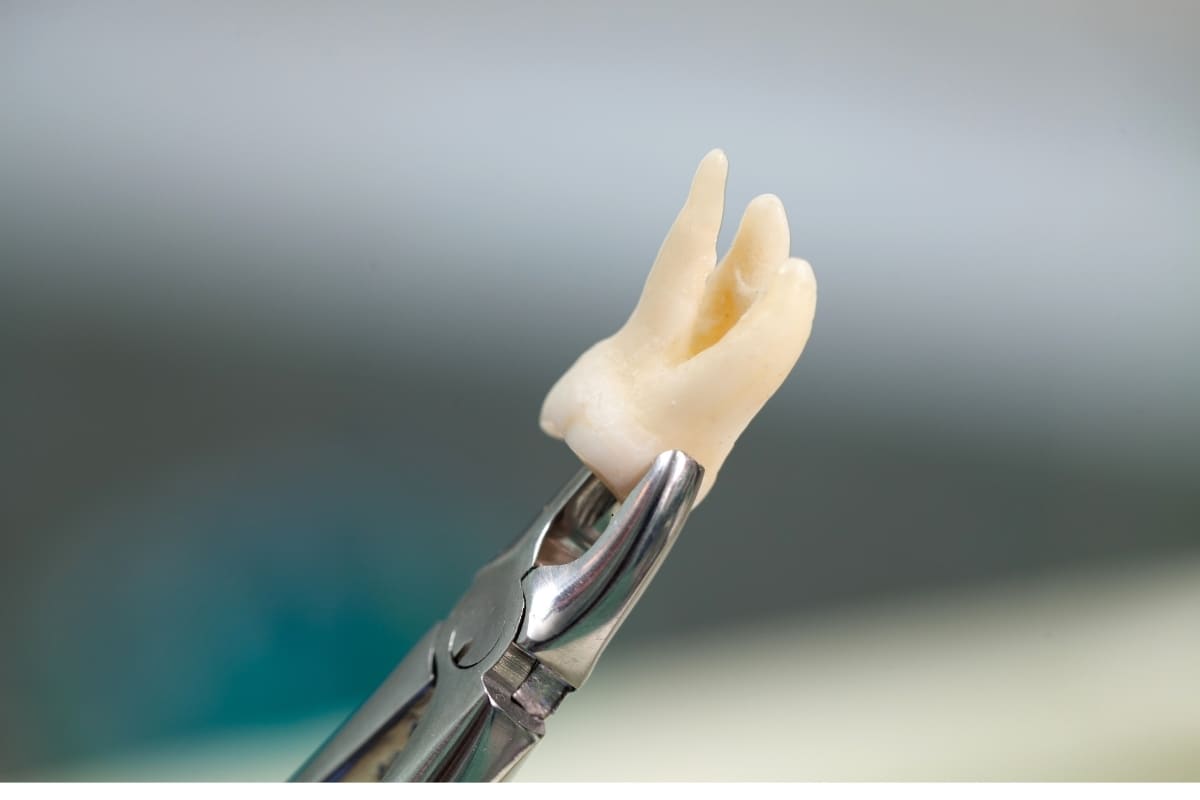
A typical dental operation that many people have in their late teens or early adult years is the extraction of wisdom teeth. While the surgery itself is straightforward, the recovery period can raise numerous questions about dietary choices. One tempting question that frequently arises is whether it is safe to indulge in pastries after having wisdom teeth removed. Let’s explore the relationship between dental care, the healing process, and the enjoyment of pastries.
The Importance of Post-Operative Care
After your wisdom teeth are removed, your mouth needs time to heal properly. This healing process usually spans a few days to a week, during which it’s vital to follow your dentist’s aftercare instructions. Proper care not only speeds up recovery but also minimizes the risk of complications, such as dry sockets or infections.
During the first few days after surgery, a soft food diet is highly recommended. Eating the right foods helps ensure that your surgical site remains undisturbed. Many patients wonder how pastries fit into this guideline, especially since they often crave sweet treats during recovery.
The Role of Diet in Wisdom Teeth Extraction Recovery
Your diet plays a crucial role in your recovery process after wisdom teeth removal. Proper nutrition supports healing and helps manage discomfort. While pastries might seem like a tempting treat, they should be approached with caution.
Importance of Soft Foods
Following wisdom teeth removal, your Chandler dentist will likely recommend soft foods for several reasons:
Minimized Discomfort:
Soft foods are easier to chew and swallow, reducing the risk of pain and irritation at the surgical site. When your mouth is still sensitive, avoiding crunchy or hard foods can make a significant difference in comfort levels.
Faster Healing:
Soft foods help maintain a clean environment in your mouth, preventing infection and promoting faster healing. Foods that require minimal chewing can decrease the chance of disturbing the healing tissue.
Nutrient Intake:
Consuming a variety of soft foods ensures you get essential nutrients. Foods rich in vitamins and minerals can aid in your body’s recovery process. A balanced diet, even with soft foods, is vital for overall health and well-being.
Hydration is Key
Staying hydrated is essential for healing. Water is the best choice, but you can also include broths or electrolyte drinks to maintain hydration levels. Proper hydration helps keep your mouth moist, which is crucial for healing. Avoid beverages that can irritate your mouth, such as carbonated drinks or those high in acidity.
Common Concerns After Surgery
After wisdom teeth removal, patients often experience several common symptoms. Understanding these can help you manage your recovery more effectively.
Swelling and Bruising
Swelling is a normal part of the healing process and usually peaks within 48 hours. Applying an ice pack to the outside of your face can help reduce swelling and numb any discomfort. Remember to apply the ice for 15–20 minutes at a time, allowing breaks in between to avoid frostbite.
Pain Management
Some pain and discomfort are expected after surgery. Your dentist may prescribe pain relievers to help manage this. Over-the-counter medications like ibuprofen or acetaminophen can also be effective but always follow the recommendations. If your pain becomes severe or doesn’t improve with medication, reach out to your dentist for further evaluation.
Infection Risks
Keeping your mouth clean is crucial to preventing infections. Your dentist will likely provide instructions on rinsing your mouth after meals and may prescribe an antibacterial mouthwash to help maintain oral hygiene. Avoiding vigorous rinsing or spitting can prevent the dislodging of the blood clot that forms at the surgical site, which is essential for proper healing.
Signs of Complications
While most recoveries go smoothly, it’s important to be aware of signs that may indicate complications. If you experience severe pain, prolonged bleeding, or signs of infection, such as fever or excessive swelling, contact your dentist immediately. Prompt attention to these symptoms can prevent more serious issues from developing.
Making the Right Dietary Choices
As you recover, consider how pastries and other treats fit into your post-operative diet. While the thought of indulging in a delicious pastry can be appealing, it’s essential to balance cravings with recovery needs.
Listen to Your Body:
If you feel discomfort after trying a pastry, it’s best to avoid it until you’re further along in your recovery.
Consider Timing:
Once you start feeling better, gradually reintroducing soft pastries into your diet may be an option. However, ensure they are easy to chew and won’t irritate your healing gums.
Consult Your Dentist:
For personalized advice regarding your diet after wisdom teeth removal, don’t hesitate to reach out to your dentist. Personalized advice can be given by them depending on your particular circumstances.
While enjoying pastries after wisdom teeth removal can be tempting, it’s important to prioritize your recovery and follow your dentist’s advice. Proper post-operative care, including a focus on soft foods, hydration, and monitoring for any concerning symptoms, will help ensure a smooth healing process. For personalized care and expert guidance on postoperative recovery, reach out to our dentist in Chandler at Canyon State Dental.