
Dental implants offer a durable and natural-looking solution for missing teeth, but the healing process can be lengthy and sometimes uncertain. Many patients feel anxious about the time it takes to fully recover and return to normal function. This makes it essential to understand what to expect throughout the journey. Preparing for the healing timeline after getting dental implants in Chandler helps reduce stress and ensures a smoother, confident transition to a restored smile.
Understanding The Dental Implant Procedure
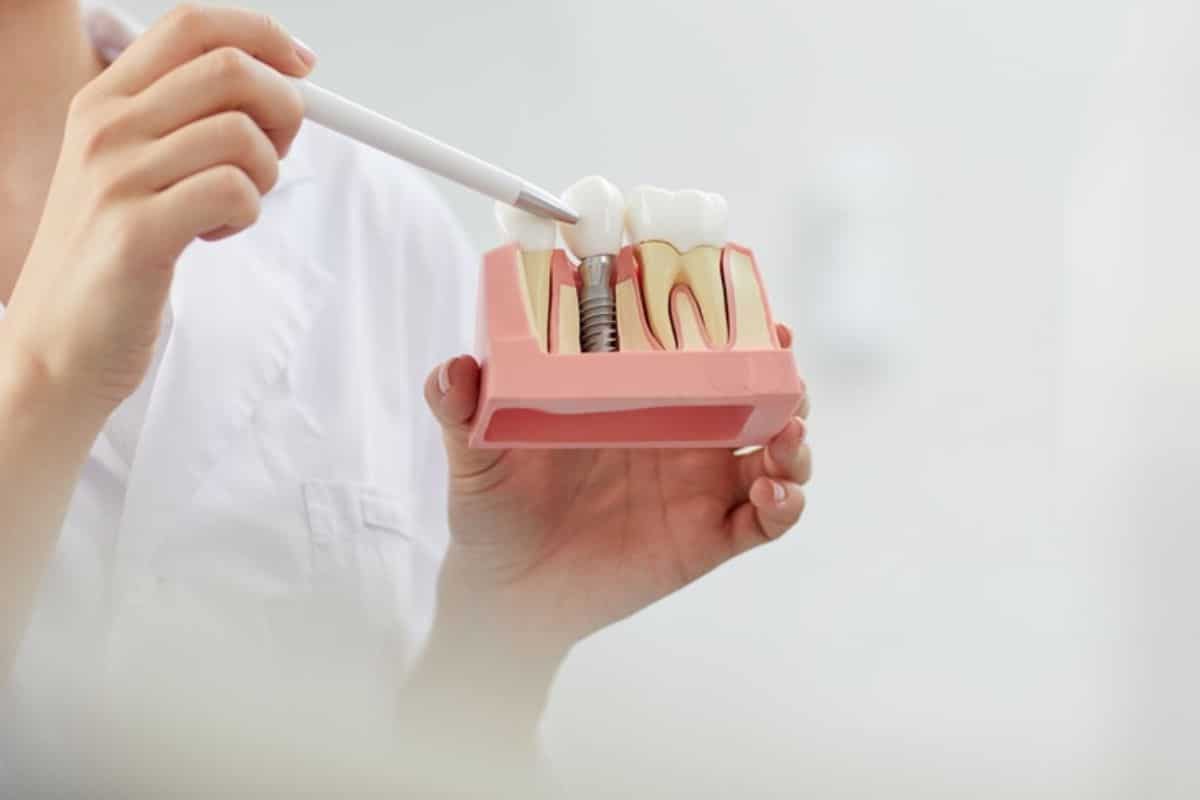
Knowing what the procedure entails is important before diving into the healing stages. This treatment involves inserting a small titanium post into your jawbone, which acts as an artificial tooth root to support your crown or prosthetic tooth.
During the consultation with your nearby dentist in Arizona, the entire process is meticulously planned and explained. This ensures the patient is well-informed from the beginning of the surgery till the walkout of the clinic. The primary healing process is called osseointegration, where the implant fuses with your jawbone, becoming a part of your mouth’s structure.
Your gums, bone density, and general health all influence how fast you recover. Practicing good oral hygiene, eating a nutrient-rich diet, and avoiding smoking are what you must adhere to for the implant’s success.
Detailed Healing Timeline After A Dental Implant Surgery
Although each individual heals at their own pace, the typical healing process can be broken down into clear stages:
Initial Recovery (1 – 2 Weeks)
After your surgery, you can expect some swelling, mild pain, and bruising around the treated site. These symptoms are normal and usually peak within the first few days, gradually subsiding within one to two weeks. During this stage:
- Follow your Chandler dentist’s aftercare instructions carefully.
- Avoid hard, sticky foods to prevent disturbing the surgical site.
- Rinse with an antimicrobial mouthwash if recommended.
- Take prescribed medications to manage pain and prevent infection.
Being diligent during this period ensures your gums heal well, setting a strong foundation for the next phase.
Osseointegration (3 – 6 Months)
Osseointegration is the most crucial stage in the recovery process. It involves the titanium post fusing with your jawbone, creating a stable and permanent base for your replacement tooth.
This stage usually lasts three to six months, depending on:
- Bone Density And Quality: Denser bone supports faster integration.
- Overall Health Conditions: Health issues like diabetes can delay quick recovery.
- Oral Hygiene Practices: Keeping your mouth clean avoids infections that compromise healing.
Since it takes time, patience is vital here. While waiting for the prosthesis to integrate, a dentist in Chandler, AZ, will fix a temporary tooth, allowing you to continue daily life activities confidently.
Abutment Placement (1 – 2 Weeks)
Once osseointegration is complete, an abutment is attached. This small connector links the implant to the final crown. The procedure can be slightly painful, so it is performed under local anesthesia. After placing the abutment:
- Your gums require one to two weeks to heal around it.
- Slight soreness and sensitivity are common, but they resolve quickly.
This stage is essential for ensuring your final crown sits perfectly and feels comfortable in your bite.
Final Crown Placement
Finally, after your gums have completely recuperated, a custom-made dental crown is placed onto the abutment. This is the last phase of your tooth restoration journey, giving you a natural-looking, durable tooth replacement that functions just like your original tooth.
Factors That Affect Dental Implant Healing Time
Healing is not the same for everyone. Here are some factors that influence recovery:
Bone Grafting Needs
If your jawbone lacks sufficient density, a bone graft might be needed before placing the artificial tooth roots. It adds another 3 to 6 months to the overall timeline.
Oral Hygiene Practices
Poor hygiene can lead to peri-implantitis (infection around the implanted teeth), often resulting in treatment failure.
Lifestyle Habits
Smoking, excessive alcohol consumption, and uncontrolled medical conditions like diabetes slow down the healing process.
Age And General Health
While age is not a limiting factor, elderly patients with weaker immune systems may experience a slightly longer recovery.
Best Practices To Speed Up Healing Time
Recovering from prosthetic teeth treatment can feel challenging, but there are simple steps you can take to support your body. They are:
- Follow All Post-Operative Instructions Carefully: A professional’s advice is tailored to your specific needs, contributing to quick recovery.
- Avoid Smoking And Alcohol For At Least Two Weeks: These can slow down tissue repair and increase the risk of complications.
- Eat Nutrient-Rich Foods: Focus on protein, vitamin C, and zinc to give your body the fuel it needs to rebuild and heal.
- Maintain Good Oral Hygiene: Keep your mouth clean, but be gentle around the surgical site to avoid irritation or damage.
- Maintain Follow-Up Appointments: Regular check-ins help monitor and track whether the treatment shows complications.
The Lasting Impact of Dental Implants On Oral Health
Although the new teeth require several months to heal fully, the long-term benefits make the wait worthwhile. They help maintain your facial bones by preventing the bone loss associated with missing teeth. Now, you can eat and speak confidently without worrying about aesthetics and comfort. Unlike traditional dentures, permanent tooth replacements remain anchored and do not slip or cause discomfort. Most importantly, they give you a long-lasting, natural-looking smile, improving oral functionality.
Ready For Implants? Let’s Plan Your Smile
Healing from dental implant surgery is gradual, but the rewards outweigh the wait. If you are considering dental implants in Chandler, consult an experienced dentist Chandler who can guide you through every stage so you can make informed decisions. Looking for someone reliable in your area? Book a consultation with our implant specialists, Dr. Jay M. Bhatt and Dr. Zack Walton, at Canyon State Dental to start your journey toward lasting and renewed confidence.
Frequently Asked Questions (FAQs)
- Does dental implant surgery hurt?
The procedure itself is generally painless as it involves local anesthesia. Post-op, there might be some soreness, bruising, and mild bleeding, but these usually subside within a few days. It can also be managed with over-the-counter pain relievers.
- Can I return to work the day after my missing teeth surgery?
Yes, most people can return to light work within a day or two. However, it is best to avoid any strenuous activity for at least 3 to 7 days to allow proper recovery.
- How long does it take to recover from dental implant surgery?
Initial recovery usually takes 1 to 2 weeks, with gradual improvement in swelling and discomfort. However, full recovery, especially when the implant fuses with the jawbone, can take 3 to 6 months, and sometimes longer if additional procedures like bone grafting are needed.
When is the abutment placed after implant treatment?
Once the prosthesis has successfully integrated with the bone, the abutment, the connector piece, is placed. After this, the gums usually take 1 to 2 weeks to heal before the final crown can be attached.
- What is osseointegration, and how long does it take?
Osseointegration is the natural process where the artificial teeth bond with the jawbone, creating a strong and stable foundation for your new tooth. This phase typically lasts between 3 and 6 months.