
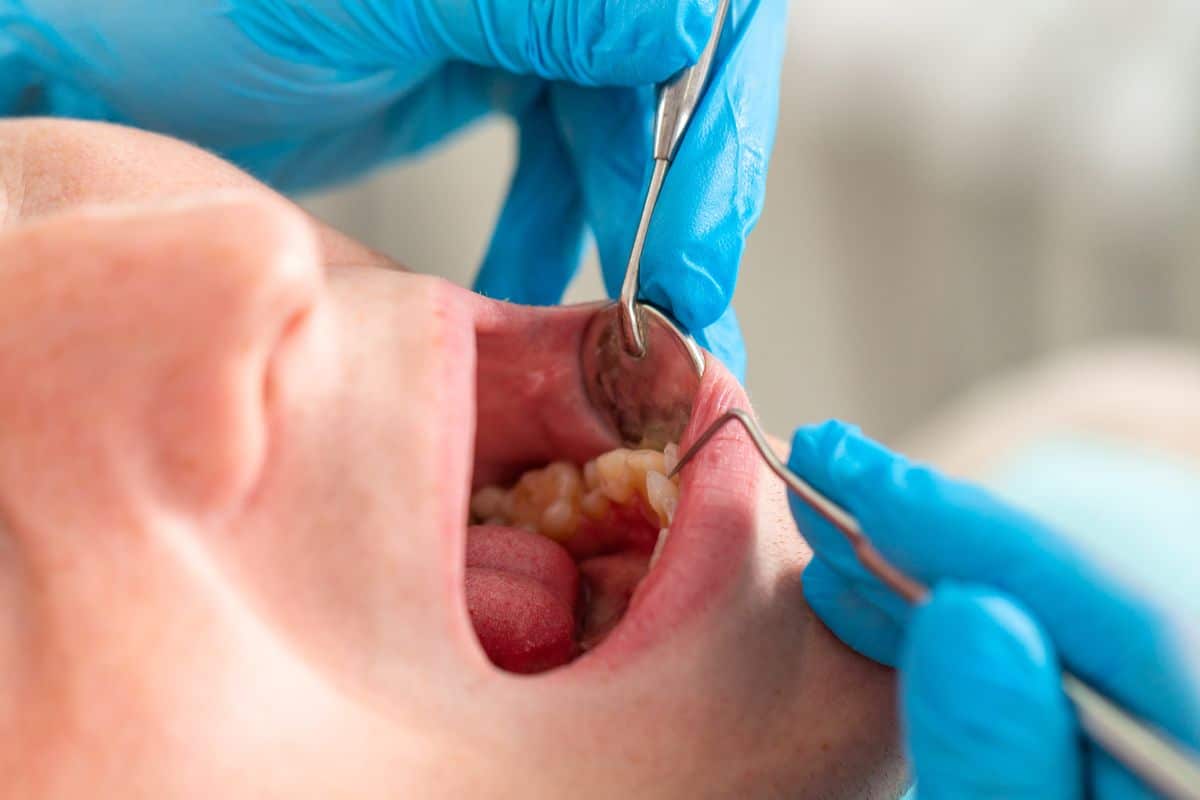
Have you ever had a toothache that felt like it could explode? Worse, did you notice swelling or a painful abscess forming around your tooth? It’s a situation no one wants to experience, but unfortunately, it’s common. Dental abscesses are incredibly painful and, if left untreated, can lead to severe complications. If you’re searching for ways to reduce the swelling naturally before you can get to your dentist in Chandler, you’re in the right place.
In this blog, you can get to know some natural ways to reduce the swelling and discomfort of a tooth abscess until you seek professional help. While these methods may offer relief, remember that seeing a professional for a proper diagnosis and treatment plan is essential to prevent further complications.
Understanding a Tooth Abscess
Before we dive into natural remedies, it’s important to understand what causes a tooth abscess. A tooth abscess is generally the result of a bacterial infection that affects the tooth’s pulp. It can occur due to untreated cavities, gum disease, or physical trauma to the tooth. The infection causes pus to build up, creating swelling and intense pain. According to the Centers for Disease Control and Prevention (CDC), nearly 25% of Americans experience a dental problem that could lead to abscesses, and about 2.1 million visits to the emergency room are due to toothaches and related infections annually.
The swelling can occur around the tooth or in the gum tissue near the affected tooth, sometimes spreading to the neck or face if left untreated.
How to Manage Tooth Abscess Naturally Before Seeking Professional Help?
The good news is, although a tooth abscess needs dental intervention from a trusted dentist in Chandler, there are a few ways you can reduce the swelling and pain naturally while you await professional care.
Warm Salt Water Rinse
One of the easiest and most effective ways to reduce swelling from a tooth abscess is by rinsing your mouth with warm salt water. Salt water has natural antibacterial properties that help fight the infection, reduce inflammation, and soothe pain.
How to do it: Mix about a teaspoon of salt in a glass of warm water. Swish the mixture in your mouth for about 30 seconds, ensuring it reaches the swollen area. Repeat this process 2-3 times a day until the swelling is reduced.
Cold Compress
Using a cold compress is another effective method to reduce swelling and alleviate pain. Cold therapy helps numb the pain while constricting blood vessels, which reduces inflammation.
How to do it: Wrap some ice cubes in a cloth or use a store-bought cold pack. Apply it to the swollen area for 15-20 minutes at a time, making sure to give your skin a break between applications.
Essential Oils for Pain Relief
Essential oils, such as tea tree oil, clove oil, and peppermint oil, have anti-inflammatory and antibacterial properties. This reduces the swelling and pain from an abscess. Among them, clove oil is especially known for its numbing effect, providing temporary pain relief.
How to do it: Dilute a few drops of essential oil in a carrier oil like coconut oil. Apply a small amount of the mixture to the swollen area using a cotton ball, avoiding contact with sensitive gums and teeth.
Turmeric Paste
Turmeric is another natural remedy known for its anti-inflammatory and antibacterial properties. It can reduce pain and swelling while also promoting healing in the affected area.
How to do it: Mix a teaspoon of turmeric powder with a few drops of water to form a paste. Apply this paste directly onto the abscessed area for 10-15 minutes, then rinse your mouth with warm water. You can repeat this several times a day.
Garlic for its Antibacterial Properties
Garlic is well-known for its antibacterial and anti-inflammatory effects. It can prevent the infection causing the abscess and reduce swelling naturally.
How to do it: Crush a garlic clove and let it sit for a few minutes to activate its allicin content. Place the crushed garlic on the affected area and leave it there for a few minutes before rinsing your mouth.
Hydrogen Peroxide Rinse
Hydrogen peroxide has antiseptic properties that reduce infection in the affected area. It’s a great option for rinsing your mouth to help clear bacteria and reduce the size of the abscess.
How to do it: Mix equal parts of 3% hydrogen peroxide and water. Swish it around in your mouth for 30 seconds, ensuring it reaches the swollen area, and spit it out. Do not swallow this mixture.
Stay Hydrated
A trustworthy Chandler dentist recommends drinking plenty of water, which is essential when dealing with any infection, including a tooth abscess. Hydration helps your body flush out toxins, supports healing, and can aid in reducing swelling.
How to do it: Aim to drink at least 8-10 glasses of water per day to stay hydrated and promote healing.
Avoid Irritants
While natural remedies can reduce swelling, it’s also important to avoid certain foods and actions that could worsen the swelling. Steer clear of extremely hot, cold, or spicy foods, which may irritate the abscessed tooth and surrounding gums. Avoid chewing on the affected side of your mouth as well.
Seek Professional Help as Soon as Possible
While natural remedies can help reduce swelling and discomfort temporarily, it’s crucial to see a Chandler dentist as soon as possible. A dentist will diagnose the severity of the infection and may need to drain the abscess, prescribe antibiotics, or perform a root canal or extraction to treat the infection and prevent complications fully.
Take the Next Step Towards a Pain-free Smile
Dental abscesses can be painful and inconvenient, but natural remedies can offer some relief while you await professional care. Remember, these remedies are meant for temporary relief, and visiting your dental professional is essential for long-term oral health.
If you’re dealing with a tooth abscess, don’t wait for it to get worse. Visit Canyon State Dental for a thorough evaluation, fast treatment, and personalized care to restore your smile. Trust our team to help you maintain your healthy smile!
FAQs
How long does it take for a tooth abscess to heal?
The healing process depends on the severity of the abscess. If untreated, it can take weeks to heal, but with proper dental treatment, healing can occur within a few days to a week.
Can a tooth abscess heal on its own?
While a tooth abscess may not heal on its own, the swelling and pain can be temporarily reduced with natural remedies. However, professional dental care is necessary to fully treat the infection.
What happens if a tooth abscess is left untreated?
If left untreated, a tooth abscess can spread to the surrounding tissues, causing more severe infections. This can lead to complications such as bone loss, tooth loss, and even systemic infections.
Can I get a tooth abscess from a cavity?
Yes, an untreated cavity can lead to a tooth abscess. Bacteria enter through the cavity and cause infection at the root of the tooth, leading to an abscess.
Is a tooth abscess an emergency?
Yes, a tooth abscess can be a dental emergency, especially if accompanied by fever, difficulty breathing, or swelling that affects your vision or swallowing. Immediate dental care is essential.
How do I prevent a tooth abscess?
Good oral hygiene, including brushing twice daily, flossing, and visiting the dentist regularly, can help prevent cavities and gum disease, reducing your risk of developing a tooth abscess.
Can I use over-the-counter pain relievers for a tooth abscess?
Over-the-counter pain relievers, such as ibuprofen or acetaminophen, can help alleviate pain temporarily. However, they do not treat the underlying infection, so seeing a dentist is still necessary.