
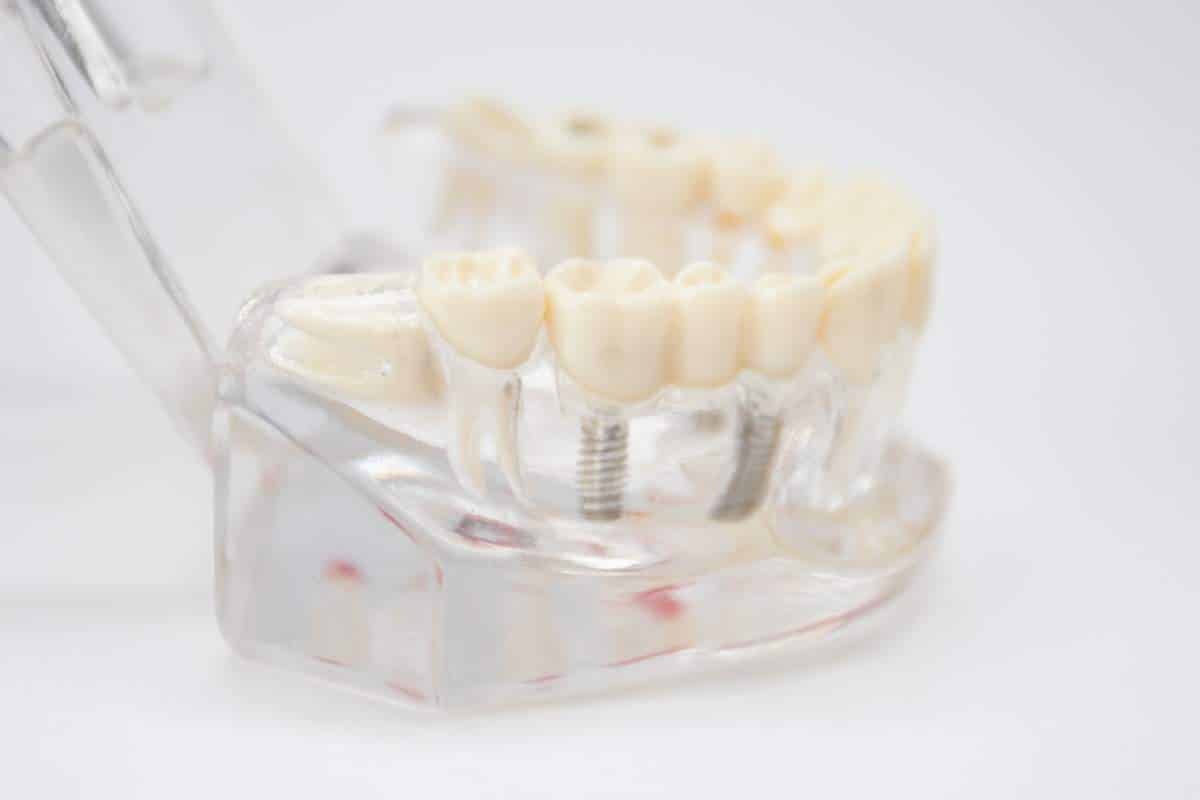
What if your smile could defy time, staying radiant and strong for decades after All-on-4 dental implants? These innovative full-arch restorations restore natural function and aesthetics, transforming lives. Yet, their longevity hinges on your daily commitment. Without diligent care, plaque buildup, gum inflammation, or implant complications can erode your results, turning promise into peril. Fortunately, proven routines—precise brushing, effective flossing, and key habits—make preservation effortless. Eager to safeguard your investment and enjoy enduring confidence? Discover the essential daily care tips that ensure your All-on-4 implants thrive for a lifetime.
Why Is Daily Implant Care Is Unavoidable?
After receiving All-on-4 dental implants, your new teeth are securely anchored in your jawbone, providing durability and strength. However, just like natural teeth, they require attention and care to ensure their longevity and effectiveness. Here’s why daily care matters:
- Preventing plaque buildup: Plaque and bacteria can still accumulate around your dental work, leading to infection and gum inflammation if not cleaned properly.
- Ensuring long-term success: Proper care reduces the risk of implant failure and keeps the surrounding gum tissue healthy.
- Maximizing comfort: With the right cleaning techniques, you’ll avoid discomfort and sensitivity around your new tooth.
Whether you’re living the relaxed lifestyle in Chandler, enjoying the local parks and outdoor activities, or participating in the many events around town, you want your smile to reflect your health and confidence.
How To Maintain Your All-on-4 Implants Every Day?
While your new teeth are incredibly durable and easy to maintain, there are some important daily habits to follow to keep them in great shape. Here are the essential steps:
1. Brush Regularly
Just like natural teeth, it’s important to brush your implants twice a day. Use a soft-bristled toothbrush and a non-abrasive toothpaste to avoid damaging the surfaces.
- Use gentle strokes: Avoid brushing too hard, as this can irritate the gums around your dental work and potentially damage the treatment.
- Target the gum line: Focus on brushing around it, where plaque tends to accumulate. Gently brush the gums and the top of your new tooth.
Brushing your newly attached tooth twice a day helps keep it clean, prevents plaque buildup, and keeps your gums healthy.
2. Floss Your Implants
Flossing is just as important for implants as it is for natural teeth. Specialized floss, like super floss or an interdental brush, can help clean between your implants and around the gums.
- Use implant-friendly floss: Regular floss may not fit properly around the dental posts, so it’s best to use tools designed for implanted teeth.
- Avoid using traditional string floss: It can be difficult to maneuver and may not clean effectively. Instead, opt for floss picks or interdental brushes.
How Do I Clean Around My Dental Implants Effectively?
Flossing, combined with brushing and antibacterial mouthwash, helps remove food particles and plaque that may have accumulated around your post. This keeps your mouth clean and healthy, preventing gum disease or complications that could threaten the stability of your treatment.
Flossing every day removes food particles and bacteria from hard-to-reach areas, preventing infections and gum disease.
3. Rinse With Antibacterial Mouthwash
To keep your dental work in good condition, rinse with an antibacterial mouthwash after brushing and flossing. This helps kill bacteria, reduce inflammation, and promote overall oral hygiene.
- Look for alcohol-free mouthwash: Alcohol-based mouthwashes can dry out your mouth and irritate your gums, so choose a gentle, alcohol-free version.
- Rinse after meals: If you’re unable to brush after eating, a quick rinse can help remove food debris and bacteria.
Using mouthwash daily not only freshens your breath but also adds an extra layer of protection against infection and plaque buildup.
Additional Tips For Prosthetic Teeth Care
4. Avoid Hard And Sticky Foods
While they are strong, it’s best to avoid certain foods that could damage them. Sticky or hard foods like caramel, popcorn kernels, or ice can stress your dental posts and may cause damage.
- Be mindful of your diet: While you can eat most foods, cut down on those that are excessively hard or chewy to avoid putting too much pressure on your new teeth.
- Chew carefully: Always chew with your back teeth to avoid unnecessary strain on the front.
5. Stay Hydrated
Drinking plenty of water throughout the day helps rinse away food particles and bacteria that could cause plaque buildup. Staying hydrated also keeps your gums healthy, especially in the dry Arizona climate.
- Drink water regularly: This is particularly important during the hot summer months in Chandler, when dehydration can increase the risk of dry mouth and oral health issues.
- Avoid sugary drinks: Sugary beverages, like soda and sweetened coffee, can lead to plaque buildup and tooth decay.
How Can I Improve My Implant Care With A Balanced Diet?
Eating a balanced diet helps maintain strong bones and healthy gums—both of which are critical for keeping your All-on-4 implants in place. Avoiding sugary foods and acidic drinks will also help protect your new dental work and gums.
- Calcium-rich foods like dairy products and leafy greens help strengthen bone tissue, supporting their stability.
- Vitamin C-rich foods promote healthy gum tissue and help prevent infection.
What Foods Should I Avoid To Protect My Dental Implants?
Avoiding hard, sticky, or overly crunchy foods can help protect both your All-on-4 implants and your surrounding natural teeth. Foods like caramel, hard candy, and ice can damage your investment and the surrounding structures, so it’s best to enjoy them in moderation.
Regular Check-Ups And Professional Care
Although daily care is crucial, regular visits to your Chandler dentist ensure that your dental work stays in optimal condition. Here’s what you can expect during check-ups:
- Professional cleanings: They will professionally clean your new tooth to remove any buildup that may have accumulated despite your daily care.
- Thorough examinations: Your dentist will examine the health of your gums, check for any infection around the implants, and ensure everything is healing properly.
- Adjustments if necessary: If any parts of your implants need adjustments, your dentist will take care of them during your check-up.
By staying on top of routine visits, you can extend the life of your All-on-4 implants in Chandler and avoid complications.
Protect Your Investment With The Right Care
Maintaining your permanent dental work is straightforward with the right daily habits. Brushing, flossing, using mouthwash, and avoiding hard foods will keep your prosthetic teeth looking and functioning great. With the right care, your permanent tooth will last for many years, providing you with a natural-looking and fully functional smile. If you’ve had All-on-4 dental implants in Chandler, be sure to stick to a solid care routine and schedule regular check-ups with Canyon State Dental to ensure everything is in top condition. Your smile deserves the best care to last a lifetime!
FAQs
- How long do dental implants last?
Implanted teeth can last 25 years or more with proper care. Routine cleaning, good oral hygiene, and regular dental visits are essential to ensure they remain stable and functional over the long term.
- Can I eat normally with dental implants?
Yes, you can eat almost anything with oral implants. After healing, they function just like natural teeth, allowing you to enjoy your favorite foods without restriction or discomfort.
- Do dental implants hurt after the procedure?
While some discomfort is normal after the surgery, it’s typically manageable with over-the-counter pain relievers. Most patients report only mild soreness during the recovery process, which resolves quickly.
- How soon can I return to normal activities after getting dental implants?
You can usually return to normal activities within a few days to a week. However, it’s advised to avoid strenuous activities or exercise for at least two weeks to promote healing.
- Are dental implants a safe procedure?
Yes, the procedure is considered very safe and has a high success rate. When performed by a qualified professional, complications are rare, and the long-term benefits far outweigh any risks.