
Losing teeth changes more than your smile. It affects how you eat, speak, and feel in daily life. Many people delay treatment because they are unsure which option makes sense. Traditional dentures have been around for years, but newer solutions now offer better stability and comfort. One of the most talked-about options today is dental implants, which are designed to function more like natural teeth. Whether you’re enjoying a weekend at Veterans Oasis Park or grabbing a bite at Downtown Chandler’s local eateries. The missing teeth can quietly affect your confidence in everyday moments.
Understanding your choices helps you move forward with clarity. Each option works differently and delivers a different long-term experience. In this guide, you will learn how these restorations compare to dentures and why more patients are choosing advanced solutions. Canyon State Dental offers modern tooth replacement options designed to restore function and confidence.
What Are Traditional Dentures?
Traditional dentures are removable appliances that replace missing teeth. They rest on the gums and rely on suction or adhesives to stay in place. They are often used when multiple teeth are missing or when full arch replacement is needed. Dentures can improve appearance and allow basic chewing, but they come with limitations.
Common Challenges with Dentures
Here are the issues with traditional dentures:
- Movement while eating or speaking
- Pressure on the gums
- Need for regular adjustments
- Bone loss over time due to a lack of stimulation
While dentures can be a helpful beginning, they don’t fully replicate the root structure of natural teeth. This difference can really impact your comfort over time.
What Makes Dental Implants Different?
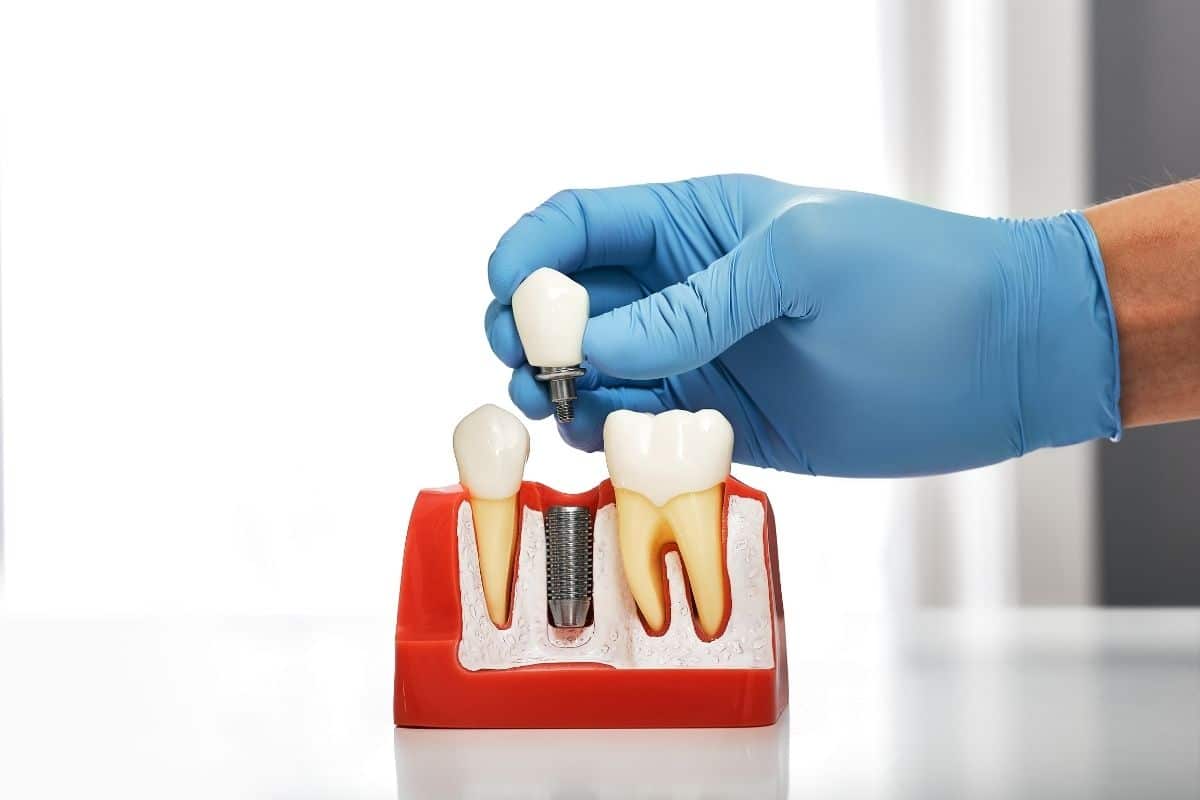
Dental restorations are designed to replace both the visible tooth and its root. A small titanium post is placed in the jawbone. This post acts as a stable foundation for a crown or denture. Unlike removable options, they stay fixed in place. They integrate with the bone, which helps maintain jaw structure and stability. These are the reasons why dental restorations are different:
- The jawbone stays active and supported.
- The replacement feels closer to natural teeth
- There is no need for adhesives or removal
During leisurely outdoor walks along the Paseo Trail, many patients find comfort in how secure their fixture feels. It is especially when compared to removable options that might shift unexpectedly. It’s wonderful to see how confidence with prosthetic teeth can make outdoor experiences even more enjoyable!
Dental Implants vs Dentures: Key Differences
These are the differences:
Stability and Comfort
Although dentures may slip a bit, especially when you’re enjoying tougher foods, these restorations provide a reliable and secure fit. This can help you feel more confident and relaxed every day.
Jawbone Health
Dentures rest softly on the gums, offering support, while prosthetic teeth help stimulate the bone. It prevents shrinkage and supports a healthy, confident smile.
Daily Maintenance
Dentures should be removed and cleaned regularly, while permanent tooth replacements enjoy a care routine similar to natural teeth. Taking good care of your dental health helps keep your smile bright and happy!
Longevity
Dentures might need to be replaced after some time, but don’t worry, prosthetic teeth are built to last a long time when you take good care of them. Taking care of your dental health can really make a difference!
Why Are Implant-Supported Dentures Changing the Conversation?
Many patients want the coverage of dentures, but without the instability. That is where implant-supported dentures come in. These dentures are anchored using those restorations. Instead of resting on the gums, they attach securely to the jaw. These are the benefits of this approach:
- Stronger bite force
- Reduced movement
- Better comfort throughout the day
- Improved speech clarity
This option combines the structure of dentures with the stability of prosthetic teeth, creating a more reliable solution.
What Should You Expect From the Implant Process?
The process involves careful planning and step-by-step treatment.
Initial Evaluation
A comprehensive examination plays a crucial role in evaluating the overall health of the bones, identifying any potential issues or deficiencies. It helps professionals decide whether additional treatments or interventions are necessary to promote optimal skeletal health.
Placement
The fixture is carefully inserted into the jawbone under controlled conditions, with attention to detail for accurate placement. This careful process aims to achieve maximum stability. It is crucial for the successful integration of the restoration into the bone, ultimately promoting long-term durability and functionality.
Healing Phase
Over time, your bone naturally fuses and gradually integrates with the restoration through a biological process called osseointegration. This process results in a strong and stable bond between the bone and the fixture, creating a connection that is both reliable and durable. As a result, this integrated support system provides consistent and long-lasting stability.
Final Restoration
A crown or denture is carefully attached as the final step in the process, ensuring a secure and natural fit. Each stage of the procedure is thoughtfully designed to support and enhance long-term success. Dental restorations provide durability, functionality, and aesthetic appeal for years to come.
Are Dental Implants Right for Everyone?
Not every patient starts in the same place. Bone density, oral health, and medical history all play a role. Good candidates often have:
- Healthy gums
- Adequate bone support
- Commitment to oral hygiene
Even if bone loss has occurred, solutions may still be available after proper evaluation.
Why Many Patients Are Moving Away from Traditional Dentures?
Dentures have helped many people over the years. However, expectations have changed. Patients now want solutions that feel natural and stable. Key reasons behind the shift:
- Desire for long-term stability
- Better chewing ability
- Improved facial support
- Fewer daily limitations
During community events like the Ostrich Festival, social interactions feel more natural when patients are not worried about their teeth shifting or slipping.
What Makes Dental Restorations Feel More Natural?
This is one of the most common questions patients ask.
- Root-Level Support: These fixtures serve as a replacement for the root, not just the visible part of the tooth.
- Bone Integration: They softly integrate with the jawbone, offering a comforting sense of stability.
- Balanced Pressure: Chewing force is distributed evenly, which helps in reducing strain and making the process more comfortable.
- No Movement: You can enjoy speaking and eating with confidence, without any slipping worries.
These factors work together to create a more natural experience.
Can Implants Really Improve Daily Comfort Compared To Dentures?
Yes, and the difference is often noticeable. These prosthetic teeth remove the need for adhesives and reduce irritation from movement. Many patients report feeling more confident while eating and speaking. Important factors to consider before choosing:
- Current oral health
- Long-term goals
- Lifestyle preferences
- Comfort expectations
Choosing the right option is not just about replacing teeth. It is about how that solution fits into daily life.
Restore Your Missing Teeth with Our Dental Implants
Tooth replacement options are there to fit seamlessly into your daily life. While traditional dentures can help restore your appearance, they might not always perfectly meet your needs. That’s why stability, comfort, and lasting function become more important than ever to ensure you feel confident and at ease every day. Modern solutions have changed what patients can expect. With options like implant-supported dentures, it is now possible to combine full coverage with strong support. The shift toward prosthetic teeth reflects a focus on better daily experiences, not just aesthetics.
If you are considering dental implants, understanding these differences can help you make a confident decision. At Canyon State Dental, we provide advanced solutions designed to restore both function and confidence, helping patients move forward without hesitation.
FAQs
- How long does it take to adjust to new tooth replacements?
Adjustment time varies. Some people adapt within days, while others take a few weeks. Comfort improves as muscles and speech patterns adjust, especially when stability is higher, and movement is minimal during daily use.
- Can eating habits change after replacing missing teeth?
Yes, eating becomes easier over time. Softer foods are often recommended at first. As comfort improves, most people return to a wider range of foods with better chewing efficiency and confidence.
- Is maintenance different between removable and fixed options?
Yes, removable options require daily removal and cleaning. Fixed solutions are maintained like natural teeth. Regular brushing, flossing, and checkups help maintain long-term results and overall oral health.
- Will speech be affected after treatment?
Speech may feel slightly different at first. This is temporary. As the tongue adapts and positioning improves, clarity returns. Stable solutions often allow faster adjustment compared to removable options.
- What factors influence long-term success?
Consistency in oral hygiene plays a major role. Regular checkups and proper care support long-term results. Lifestyle habits, including diet and overall health, also influence how well the restoration performs over time.
- Can missing teeth affect facial appearance over time?
Yes, missing teeth can lead to gradual changes in facial structure. The jawbone may shrink, affecting support for lips and cheeks. Replacing teeth helps maintain facial balance and prevents a sunken appearance.