
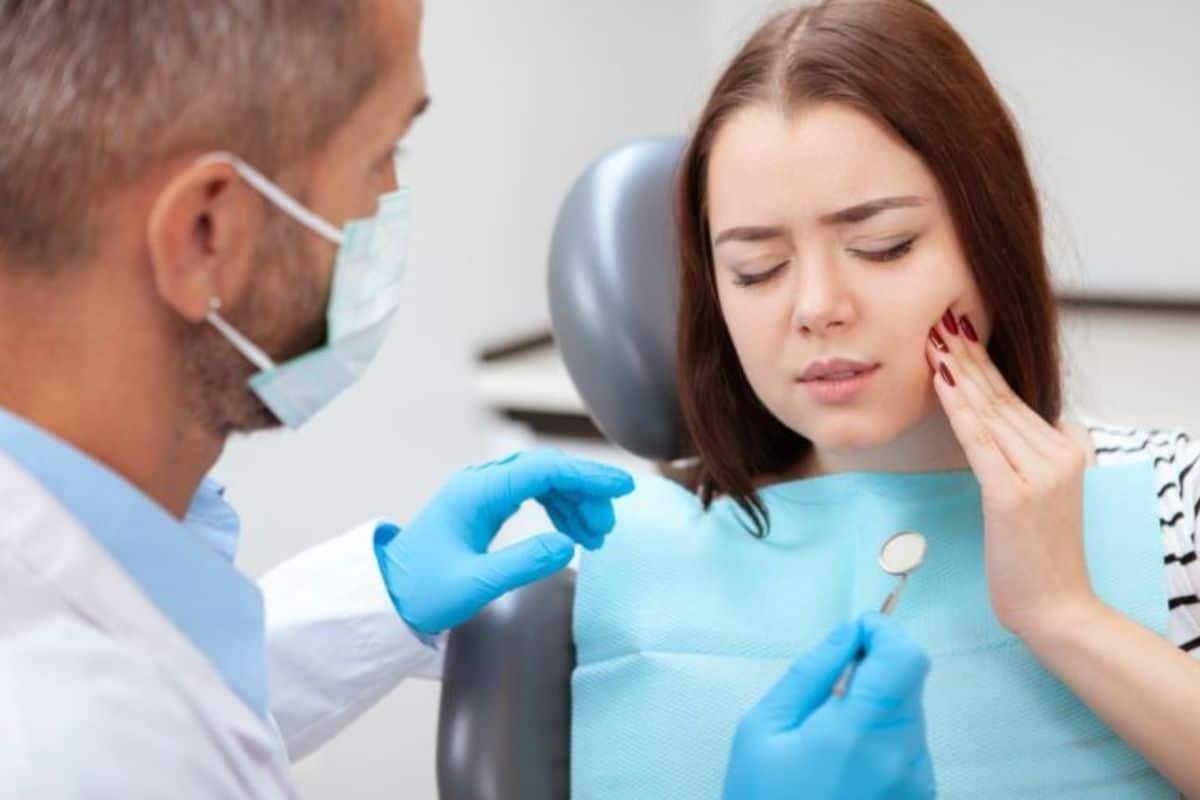
A sudden toothache during a meeting, a chipped tooth at school, or a dental injury while traveling can quickly turn an ordinary day upside down. Dental emergencies rarely happen at a convenient time, and knowing what to do in those first few moments can make a real difference.
The key is to stay calm, protect the affected area, and get the right care without unnecessary delays. Whether you are at work, helping your child at school, or enjoying a weekend away, having a simple plan can help you handle an unexpected dental problem with confidence.
For Chandler residents, knowing when to contact an Emergency dentist in chandler can help prevent a manageable dental issue from becoming more complicated. Here is what to do when a dental emergency happens away from home.
Common Dental Emergencies You Should Never Ignore
Not every dental problem requires immediate treatment, but certain symptoms should never be brushed aside.
Watch for these common situations:
- Severe toothache: Persistent or intense pain may indicate decay, infection, or damage inside the tooth.
- Chipped or broken tooth: A damaged tooth may have sharp edges or exposed inner layers that need attention.
- Knocked-out tooth: A permanent tooth that has been completely displaced requires urgent dental care.
- Lost filling or crown: The exposed tooth may become sensitive or vulnerable to further damage.
- Swollen gums or face: Swelling can indicate an infection that needs prompt evaluation.
- Uncontrolled bleeding: Bleeding following a dental injury may require immediate medical attention.
Recognizing these warning signs helps you decide what to do next instead of waiting and hoping the problem disappears.
What to Do During a Dental Emergency at Work
A dental emergency in the middle of your workday can be stressful, especially when you have meetings, deadlines, or customers waiting.
Here are some practical steps to follow:
- For a toothache: Rinse your mouth gently with warm water. Carefully floss to remove any trapped food. Avoid placing aspirin directly against the tooth or gums.
- For a chipped tooth: Rinse your mouth and save any broken pieces if possible. Cover a sharp edge with orthodontic wax if available.
- For a lost crown: Keep the crown in a clean container and contact your dental office. Avoid chewing on that side.
- For swelling: Apply a cold compress to the outside of your cheek. Do not apply heat to the swollen area.
If the pain is severe or swelling is increasing, do not wait until the end of your shift to seek help.
How to Handle a Dental Emergency at School
Children can experience dental injuries during recess, sports, physical education, or everyday school activities.
If your child experiences a dental injury at school, encourage them to stay calm and notify a teacher, school nurse, or another responsible adult.
Here is what to do for common situations:
If a permanent tooth gets knocked out:
- Find the tooth and pick it up by the crown, not the root.
- If it is dirty, gently rinse it with milk or saline. Do not scrub it.
- If possible, place it back in its socket without forcing it.
- Otherwise, keep it moist in milk or an appropriate tooth-preservation solution.
- Seek immediate dental care. Time is critical.
Do not attempt to reinsert a knocked-out baby tooth.
For a chipped tooth or a painful injury, rinse the mouth gently and apply a cold compress. Contact a dental professional for instructions.
If your child has trouble breathing or swallowing, significant facial trauma, or uncontrolled bleeding, seek emergency medical care immediately.
What to Do if a Dental Emergency Happens While Traveling
A dental problem away from home can be especially frustrating. You may not know the area, have access to your regular dental office, or even have your usual oral-care supplies.
Whether you are driving along the Loop 202, visiting family in another Arizona city, or taking a trip out of state, these steps can help:
- Find local dental care: Search for a nearby practice that handles urgent dental problems.
- Call before visiting: Explain your symptoms and ask whether the office can evaluate you promptly.
- Protect the affected tooth: Avoid chewing on the injured side and stay away from very hot or cold foods if your tooth is sensitive.
- Keep important details handy: Note when the pain started, what happened, and any medications you have taken.
- Check your dental coverage: If you are away from home, review your insurance details and emergency-care options.
If you are traveling internationally, locate a reputable dental provider rather than postponing treatment until you return home.
What Should You Keep in a Dental Emergency Kit?
A small oral-care kit in your car, backpack, or work bag can be surprisingly useful.
Consider including:
- A travel toothbrush and toothpaste
- Dental floss
- Clean gauze
- A small container with a lid
- Orthodontic wax
- A cold pack
- A tooth-preservation kit, if available
Keep in mind that these supplies are meant for temporary care, not as a replacement for professional treatment.
When Should You Contact a Dental Professional?
Some dental problems can wait for a regular appointment, while others need attention as soon as possible.
Contact a dental professional promptly if you experience severe tooth pain, a knocked-out permanent tooth, a broken tooth with pain, a lost crown causing significant discomfort, or signs of infection.
Facial swelling that spreads, fever with dental swelling, or difficulty swallowing or breathing can signal a serious infection. Seek emergency medical care immediately, especially if breathing or swallowing is affected.
A Chandler dentist can help evaluate your symptoms, explain the available treatment options, and determine the next steps for protecting your oral health.
Frequently Asked Questions
What should I do if I suddenly develop a severe toothache at work?
Rinse your mouth with warm water and gently floss to remove trapped food. Avoid chewing on the painful side and contact a dental office for prompt evaluation.
Is a knocked-out permanent tooth a dental emergency?
Yes. A knocked-out permanent tooth needs immediate attention. Handle it by the crown, keep it moist, and seek dental care immediately. Reimplantation is most successful when treatment is provided quickly.
Can I wait until I return home to treat a broken tooth while traveling?
It depends on the severity. A painful fracture, exposed inner tooth, or significant injury should be evaluated promptly. Do not delay care simply because you are away from home.
How can I help my child after a dental injury at school?
Keep your child calm, gently rinse the injured area, and use a cold compress for swelling. If a permanent tooth is knocked out, seek immediate dental care and keep the tooth moist.
Should I visit an emergency room for a dental emergency?
An emergency room is appropriate for serious facial injuries, uncontrolled bleeding, or swelling that affects breathing or swallowing. For most tooth-related emergencies, contact a dental professional for treatment.
Be Prepared Before a Dental Emergency Happens
A dental emergency can happen during the busiest workday, a child’s school activities, or a family road trip. Knowing how to respond, keeping basic supplies nearby, and seeking timely professional care can help protect your teeth and prevent further complications.
You do not have to figure everything out on your own. Canyon State Dental is here to help Chandler patients address unexpected dental concerns and understand their treatment options. Schedule an appointment today to get the dental care and guidance you need to keep moving forward with confidence.