
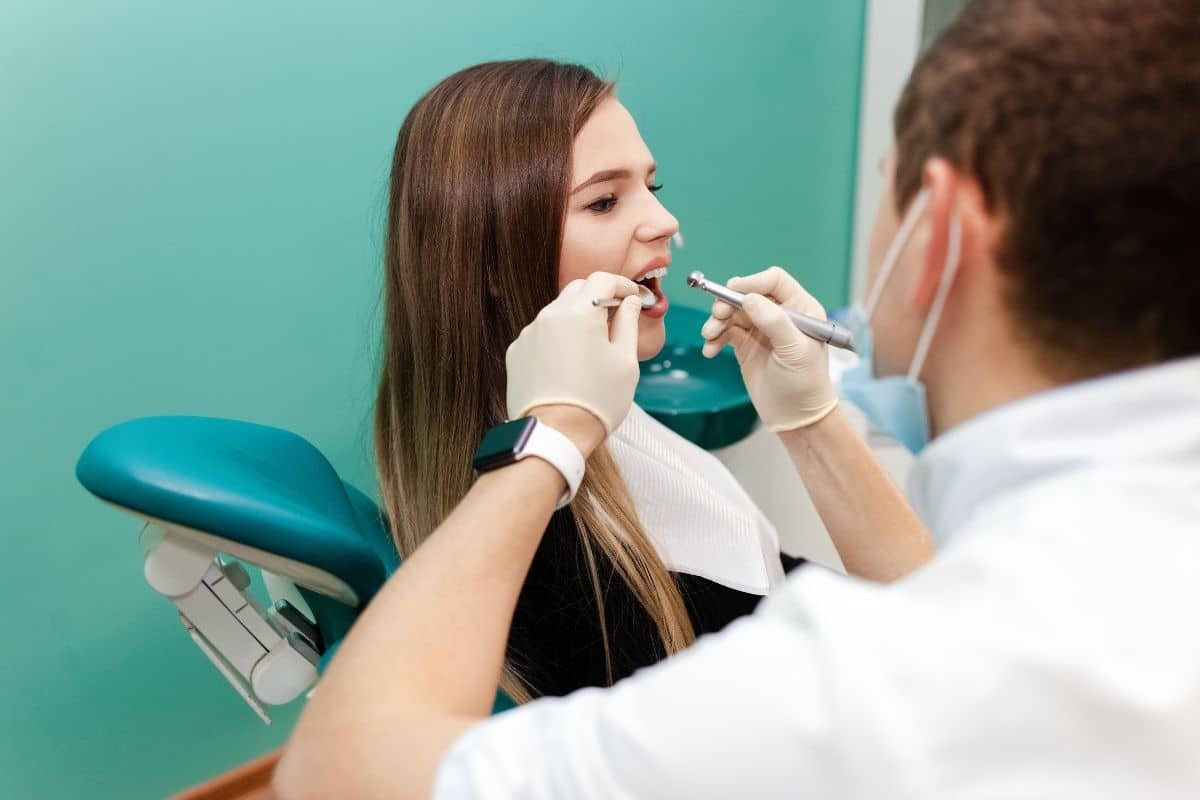
Clean teeth do not happen by accident. The difference between simply brushing your teeth and actually cleaning them well comes down to technique, consistency, and a few small habits that are easy to overlook.
Your daily routine does not need to be complicated. With the right toothbrush, fluoride toothpaste, floss, and a few minutes of focused care, you can remove plaque, protect your gums, and help keep your teeth healthy between professional visits.
Why Your Daily Routine Matters
Plaque starts building on your teeth soon after you eat and drink. If it is not removed regularly, it can contribute to cavities, gum inflammation, bad breath, and eventually tartar buildup. Professional cleanings are important, but what you do at home every day plays an equally important role in maintaining your oral health.
For patients looking for Routine Dental Care in Chandler, a strong at-home routine is an important part of preventive care. It works alongside regular dental examinations and professional cleanings to help catch and prevent problems before they become more complicated.
Your Dentist-Inspired Morning Routine
Think of your morning oral care as a fresh start for your mouth. Here is a simple approach that fits easily into a busy Chandler morning.
Start With a Soft-Bristled Toothbrush
Choose a soft-bristled toothbrush that feels comfortable in your hand. Hard bristles are not necessary for effective cleaning and may irritate your gums if you brush too aggressively.
An electric toothbrush can also be a helpful option, particularly if you have difficulty maintaining consistent brushing technique.
Use Fluoride Toothpaste
Fluoride helps strengthen tooth enamel and provides protection against decay. Apply a small amount of fluoride toothpaste and gently brush all tooth surfaces.
Do not focus only on the front teeth. Give attention to the chewing surfaces, the backs of your teeth, and the gumline where plaque often collects.
Brush Gently, Not Forcefully
Place the toothbrush at a slight angle toward the gumline and use small, controlled motions. Let the bristles do the work rather than scrubbing aggressively.
A useful trick is to divide your mouth into sections so you do not rush through areas that are easy to miss.
Quick check: Are you brushing the teeth you can see and the areas you cannot easily see? If not, slow down and adjust your technique.
Do Not Skip Between-the-Teeth Cleaning
Your toothbrush cannot effectively reach every space between your teeth. That is where flossing comes in.
Gently guide the floss between your teeth and curve it around each tooth, moving it along the side rather than simply snapping it downward. Clean beneath the gumline carefully without forcing the floss.
If traditional floss is difficult to use, ask your dental team whether floss picks, interdental brushes, or another cleaning method would work better for you.
What About Mouthwash?
Mouthwash can be a useful addition to an oral hygiene routine, but it should not replace brushing and flossing.
Depending on your individual needs, your dentist may recommend a particular type of rinse. If you are dealing with dry mouth, sensitivity, gum concerns, or frequent cavities, professional guidance can help you choose an appropriate product.
Your Nighttime Routine Deserves Extra Attention
Nighttime is one of the most important opportunities to clean your teeth thoroughly. Once you finish brushing, try not to snack afterward, especially on sugary foods or drinks.
A simple evening routine can look like this:
- Floss or clean between your teeth.
- Brush gently with fluoride toothpaste.
- Pay special attention to the gumline and back teeth.
- Clean your tongue if needed.
- Spit after brushing rather than immediately rinsing away the toothpaste with lots of water.
- Keep your toothbrush clean and allow it to air-dry between uses.
This routine is especially useful for busy families in Chandler who may spend their days commuting, working, attending school, or enjoying Arizona’s warm outdoor lifestyle.
Chandler Habits That Can Affect Your Teeth
Living in the Chandler area comes with plenty of sunshine and outdoor activity, but your everyday habits can influence your oral health, too.
Staying hydrated is important, particularly during hot Arizona days. Water is a better everyday choice for your teeth than frequently sipping sugary beverages or acidic drinks. If you enjoy coffee, iced tea, sports drinks, or other beverages throughout the day, be mindful of how often your teeth are exposed to sugar and acid.
And remember: brushing harder does not mean cleaner teeth. Gentle, consistent cleaning is the goal.
When Your Home Routine Is Not Enough
Even excellent home care cannot remove hardened tartar. Professional dental visits allow your dental team to clean areas you cannot reach effectively and check for early signs of cavities, gum disease, enamel wear, and other concerns.
A Chandler AZ dentist can also help personalize your routine based on your teeth, gums, dental history, and specific risk factors.
If you notice persistent bleeding, tooth sensitivity, swelling, bad breath, pain, or changes in your mouth, do not simply brush harder and hope the problem disappears. It is worth having the area evaluated.
Simple Daily Oral Care Checklist
Morning
- Brush with fluoride toothpaste.
- Clean every surface of your teeth.
- Give attention to the gumline.
During the day
- Choose water regularly.
- Limit frequent sugary or acidic drinks.
- Rinse with water after meals when brushing is not practical.
Night
- Clean between your teeth.
- Brush thoroughly.
- Avoid eating after your final brushing when possible.
- Keep your toothbrush clean and dry.
Frequently Asked Questions
Is brushing alone enough to keep my teeth clean?
No. Brushing removes plaque from many tooth surfaces, but it cannot adequately clean between every tooth. Cleaning between your teeth is an important part of a complete oral hygiene routine.
How often should I replace my toothbrush?
Replace your toothbrush or electric toothbrush head when the bristles become worn or frayed. For many people, this happens every few months, but heavy bristle wear may mean it needs replacing sooner.
Should I brush before or after breakfast?
Either approach can work, but brushing before breakfast can help remove overnight plaque and provide fluoride protection. If you prefer brushing after eating, consider waiting after acidic foods or drinks before brushing.
Why do my gums bleed when I floss?
Occasional bleeding can happen when the gums are inflamed or when you have recently started flossing consistently. However, persistent or significant bleeding should be discussed with a dental professional because it may indicate gum disease or another concern.
How often should I have a professional dental cleaning?
The right schedule depends on your oral health and individual risk factors. Many people benefit from regular checkups and cleanings, while some patients may need visits more frequently. Your dental team can recommend a schedule based on your needs.
Keep Your Routine Simple—and Stay Consistent
Healthy teeth are built through small habits repeated every day. You do not need an elaborate routine or expensive collection of dental products. Focus on gentle brushing, cleaning between your teeth, fluoride, smart food and drink choices, and regular professional care.
If it has been a while since your last dental visit—or you simply want to make sure your routine is working for you—Canyon State Dental is here to help. Schedule an appointment today and take the next step toward maintaining a healthier mouth for years to come.