
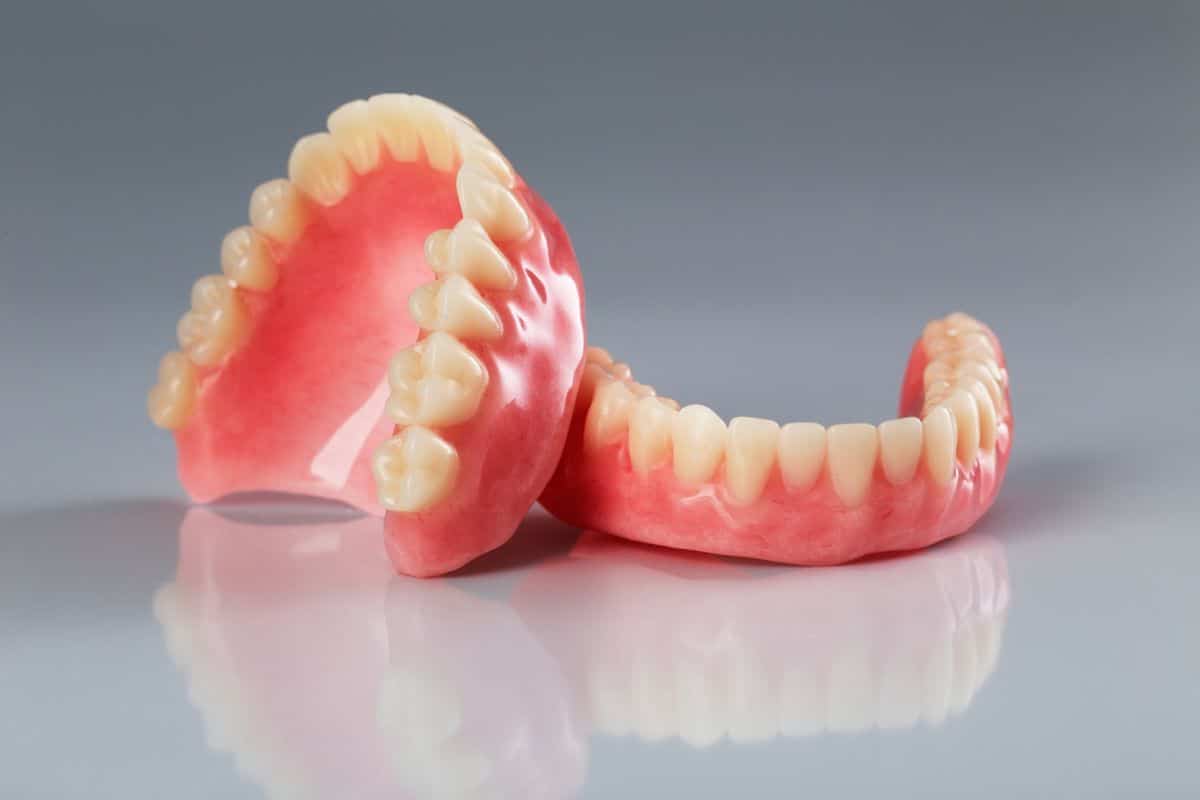
Getting used to a new dental appliance can take a little patience. Foods that once felt effortless may suddenly require smaller bites, slower chewing, or a different approach. That does not mean you have to give up the meals you enjoy.
For many people, eating comfortably comes down to giving your mouth time to adjust and choosing foods that are easier to manage during the early stages. With a few practical habits, mealtimes can become much more natural again.
An upper partial denture can help replace missing teeth and restore everyday function, but learning how to eat with it takes some practice. The key is to start slowly, pay attention to how your mouth feels, and gradually return to your normal eating routine.
Start With Foods That Feel Easy to Manage
When your partial is new, soft foods can make the adjustment period more comfortable. You do not need to completely change your diet. Instead, think about foods that require less chewing and are unlikely to put unnecessary pressure on your gums or appliance.
Good options may include:
- Scrambled eggs
- Yogurt and cottage cheese
- Mashed potatoes
- Oatmeal
- Soft pasta
- Cooked vegetables
- Tender fish
- Soft fruits such as bananas
- Soups that are warm rather than very hot
As your comfort improves, you can slowly introduce foods with more texture.
Chew on Both Sides
One of the simplest habits can also make a noticeable difference: try to chew evenly on both sides of your mouth.
Chewing on only one side may make the appliance feel less stable. Dividing food into smaller pieces and using both sides can help distribute chewing pressure more evenly.
Take your time. There is no need to rush through a meal just because you are becoming more comfortable with your appliance.
Be Careful With Sticky and Hard Foods
Certain foods can be challenging while you are adjusting to a partial denture. Very sticky or hard foods may place additional pressure on the appliance or make chewing uncomfortable.
You may want to be cautious with:
- Hard nuts
- Chewy caramel
- Tough cuts of meat
- Very firm raw vegetables
- Hard candies
- Sticky foods that cling to the appliance
- Foods that require aggressive biting
This does not necessarily mean these foods are permanently off the menu. Your dental provider can help you understand what is appropriate based on how your appliance fits and your individual oral health.
Cut Food Into Smaller Pieces
A simple change in how you prepare food can make eating easier.
Instead of biting directly into a large sandwich, apple, or piece of meat, cut it into smaller, manageable portions. Smaller pieces require less force and give you greater control while chewing.
This can be especially useful during the first few weeks as your mouth becomes accustomed to your new appliance.
Watch How Your Denture Feels
Some pressure or mild tenderness can occur while your mouth is adjusting. However, persistent soreness, rubbing, slipping, or difficulty chewing should not simply be ignored.
If your partial feels loose or repeatedly irritates the same area, the fit may need to be evaluated. Avoid trying to adjust the appliance yourself.
For people looking for dentures Chandler residents can rely on, professional evaluation is important because comfort depends on more than simply replacing missing teeth. The appliance needs to work properly with your existing teeth, gums, and bite.
Stay Consistent With Cleaning
Food particles can become trapped around dental partials and natural teeth. Good daily cleaning helps keep the appliance fresh and supports overall oral hygiene.
Follow the cleaning instructions provided by your dental team. Your routine may include removing the appliance as directed, cleaning it appropriately, and maintaining regular brushing and flossing of your natural teeth.
Do not use household cleaners or abrasive products unless your dental provider specifically recommends them.
Make Mealtimes More Comfortable in Chandler
Life in Chandler can be busy. Between work, school drop-offs, errands, and weekend activities around the East Valley, meals often need to fit into an already packed schedule.
That makes comfort especially important. You should not feel like your dental appliance has to dictate every meal or social occasion.
Whether you’re grabbing lunch after work, enjoying dinner with family, or meeting friends for a meal in Chandler, taking a thoughtful approach to eating can help you feel more confident as you adjust.
When Should You Have Your Partial Checked?
Pay attention to changes rather than trying to simply push through discomfort.
Contact your dental office if you notice:
- Persistent gum soreness
- A partial that repeatedly slips
- Difficulty speaking or chewing
- Irritation in the same area
- Changes in how your bite feels
- Damage or cracks in the appliance
- Discomfort that does not improve with adjustment time
A professional evaluation can determine whether your appliance needs an adjustment or whether another concern is affecting your comfort.
Frequently Asked Questions
Can I eat normally with an upper partial denture?
Many people can return to a normal diet after adjusting to their appliance. Start with easier foods, use smaller bites, chew carefully, and gradually reintroduce foods as comfort improves.
What foods should I avoid with a partial denture?
Hard, sticky, and very chewy foods can be difficult, particularly during the adjustment period. Cutting food into smaller pieces can make many meals easier to manage.
Why does my partial feel uncomfortable when I eat?
Your mouth may need time to adapt, but ongoing soreness, rubbing, or movement can indicate that the appliance needs professional evaluation or adjustment.
How do I keep my dental partial clean?
Follow the care instructions provided by your dental team. Keep the appliance clean and continue caring for your natural teeth and gums as recommended.
Can a partial denture become loose?
A partial can feel less stable if the fit changes or if there are changes involving the supporting teeth or tissues. If it repeatedly moves while eating or speaking, schedule an evaluation rather than attempting to adjust it yourself.
Enjoy Your Meals With Greater Confidence
Adjusting to a new partial does not have to mean giving up the foods or routines you enjoy. Start with comfortable choices, take smaller bites, chew carefully, and give your mouth time to adapt. Most importantly, do not ignore ongoing discomfort or an appliance that does not feel right.
If you’re considering dental partials or need help with the fit and comfort of an existing appliance, Canyon State Dental can help you explore the right next step. Schedule an appointment today and get back to enjoying meals with greater comfort and confidence.