
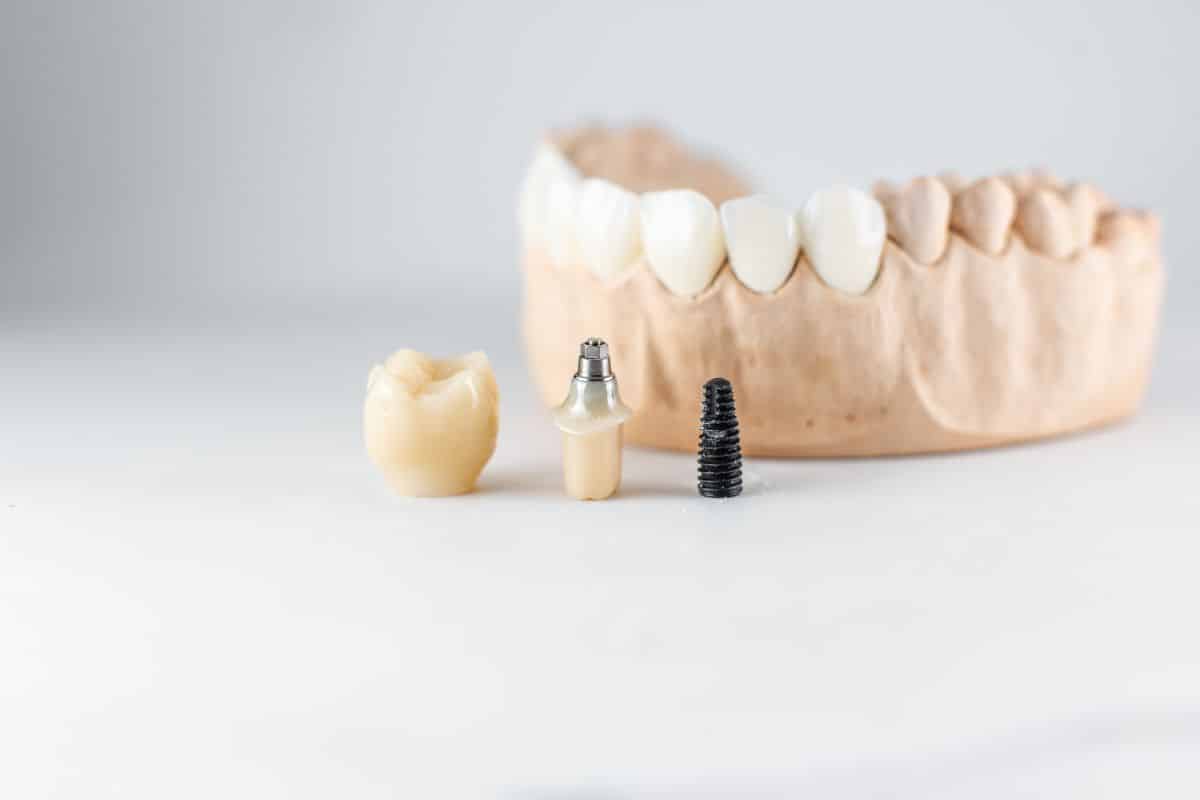
Getting a dental implant is a big step toward restoring a missing tooth, but what happens after the procedure can leave you wondering, “Is this normal?” A little soreness, swelling, or tenderness can be expected as your mouth begins to heal. Knowing what to expect can make the first week feel much more manageable.
For patients considering dental implants chandler, understanding the recovery process is just as important as choosing the right treatment. Your first week is mainly about protecting the surgical area, managing discomfort, and giving your body the time it needs to begin healing properly.
What Does the First Week of Implant Recovery Feel Like?
Everyone heals differently, but the early recovery period usually involves some tenderness around the implant site. You may notice swelling, mild bruising, sensitivity, or discomfort when chewing near the treated area.
These symptoms generally improve as the days pass. Your dentist will also provide personalized instructions based on your procedure, overall oral health, and whether additional treatment was needed before implant placement.
What You May Notice During Recovery
- Mild soreness around the implant site
- Swelling near the cheek, gums, or jaw
- Slight bruising in some cases
- Minor bleeding shortly after the procedure
- Tenderness while eating
- A feeling of tightness or pressure around the treated area
- Temporary changes in how your mouth feels
The important thing is that these symptoms should generally trend toward improvement rather than becoming increasingly severe.
How to Make Your Recovery More Comfortable
Your actions during the early healing period can make a difference. Think of the first week as a time to give your mouth a break.
Choose Softer Foods
Stick with foods that require little chewing, especially while the surgical area is tender. Options such as yogurt, eggs, oatmeal, smoothies, mashed vegetables, soup that is not too hot, and other soft foods can be easier to manage.
Avoid chewing directly on the implant area unless your dentist specifically tells you it is okay.
Keep the Area Clean
Good oral hygiene remains important, but the surgical site needs gentle care. Follow your dentist’s instructions about brushing, rinsing, and cleaning around the implant.
Do not aggressively brush or disturb the surgical area.
Take It Easy
Rest is helpful during the early healing period. Avoid strenuous activity until your dental team says you can return to your normal routine.
This can be especially useful for Chandler residents who spend time outdoors. Arizona’s heat can make dehydration easier, so keep water nearby and stay hydrated while you recover.
Follow Your Dentist’s Instructions
Your dentist may recommend specific medications, rinses, dietary adjustments, or other aftercare steps. Following those instructions closely can help support a smoother recovery.
Dental Implant Recovery Time: What Can You Expect?
The early healing period is only one part of the overall process. While swelling and tenderness may settle relatively quickly, the implant itself needs time to integrate with the surrounding jawbone.
This process, known as osseointegration, is an important part of successful implant treatment. Your dentist will monitor your progress and determine when the implant is ready for the next stage of restoration.
That means feeling better after the first week does not necessarily mean the implant is completely healed. Continue following your care instructions even when your mouth starts feeling normal again.
When Should You Contact Your Dentist?
Some discomfort is expected after implant placement, but certain changes deserve professional attention.
Contact your dental office if you experience:
- Pain that becomes significantly worse instead of improving
- Swelling that continues to increase
- Persistent or heavy bleeding
- Fever or signs of infection
- A bad taste or drainage around the surgical area
- An implant or temporary restoration that feels unusually loose
- Difficulty swallowing or breathing
When in doubt, it is better to contact your dental team and ask. Your dentist can determine whether what you are experiencing is part of normal healing or needs additional attention.
Making Your First Week Easier
A little preparation can make recovery much less stressful. Before your procedure, consider having soft foods available, arranging time to rest, keeping prescribed or recommended medications accessible, and planning to avoid activities that could put unnecessary pressure on your mouth.
If you live in Chandler, planning around your daily schedule can also help. Whether you are commuting to work, caring for family, or enjoying the outdoors, giving yourself enough downtime can make the recovery period more comfortable.
Frequently Asked Questions
Is swelling normal after an implant procedure?
Yes. Mild swelling is common after implant placement. It may be more noticeable during the early part of recovery and should gradually improve. Follow your dentist’s instructions for managing swelling.
Can I eat normally after getting a dental implant?
You may need to modify your diet temporarily. Soft foods are generally easier to eat while the surgical area is tender. Avoid hard, crunchy, sticky, or very hot foods unless your dental team says they are appropriate.
How long will my mouth be sore after implant placement?
Mild soreness is common during the early healing period. The exact duration varies from person to person and depends on the complexity of the procedure. Your discomfort should generally become easier to manage as healing progresses.
Can I brush my teeth after getting an implant?
Oral hygiene is important, but you should be gentle around the surgical site. Your dentist will explain when and how to clean the area safely based on your specific procedure.
What should I do if something does not feel right?
Call your dentist. Persistent or worsening pain, increasing swelling, heavy bleeding, fever, unusual drainage, or movement around the implant should not be ignored. A quick conversation with your dental team can provide reassurance or help you get treatment when necessary.
A Comfortable Recovery Starts With the Right Care
The first week after dental implant placement is about patience, protection, and paying attention to how your body is healing. Some tenderness and swelling can be part of the process, but symptoms that worsen or seem unusual deserve a conversation with your dentist.
If you are considering replacing a missing tooth or have questions about your recovery, Canyon State Dental can help you understand your options and what to expect at each stage. Schedule an appointment today to discuss your dental implant needs and take the next step toward a healthier, more confident bite.