
Healthy teeth don’t happen by chance. They are the result of daily habits, smart food choices, and regular dental care. While cavities are one of the most common oral health concerns for both children and adults, they’re also one of the easiest dental problems to prevent with the right routine.
Whether you’re raising a family, working a busy schedule, or simply looking to improve your oral health, making a few small changes can help protect your teeth for years to come. Arizona’s warm climate often encourages people to stay hydrated, but many sports drinks, flavored waters, and sugary beverages can quietly increase the risk of tooth decay. Understanding what causes cavities—and how to stop them before they start—can help you avoid unnecessary discomfort and expensive dental treatment.
If you’re looking for practical advice from a trusted dentist in Chandler, learning how to prevent cavities is one of the best investments you can make for your long-term oral health.
What Causes Cavities?
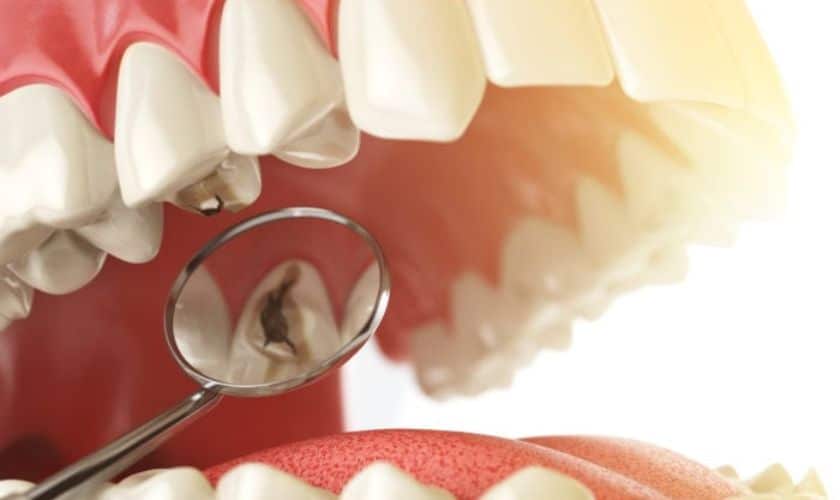
Cavities develop when bacteria naturally found in your mouth feed on sugars and starches left behind after eating. These bacteria produce acids that slowly wear away the protective enamel covering your teeth.
Over time, repeated acid attacks weaken the enamel, creating small holes known as cavities. Without treatment, these cavities continue to grow deeper and may eventually affect the inner layers of the tooth, leading to pain, infection, or even tooth loss.
The good news is that tooth decay is largely preventable with consistent oral hygiene and healthy daily habits.
Brush Thoroughly Every Morning and Night
Brushing is the foundation of cavity prevention.
Use a soft-bristled toothbrush along with fluoride toothpaste to remove plaque before it hardens into tartar. Spend enough time brushing every surface of your teeth, including the chewing surfaces, front, back, and along the gumline.
Don’t forget your tongue, either. Bacteria can collect there and contribute to bad breath and plaque buildup.
Replace your toothbrush every few months or sooner if the bristles begin to fray.
Floss Every Day
Even the best toothbrush can’t reach the tight spaces between your teeth.
Daily flossing removes food particles and plaque hiding where toothbrush bristles simply can’t reach. Skipping floss allows bacteria to remain between teeth, increasing your chances of developing cavities and gum disease.
If traditional floss feels difficult to use, floss picks or water flossers can make the process easier while still providing excellent results.
Choose Fluoride Toothpaste
Fluoride plays an important role in protecting your teeth.
It strengthens enamel, helps repair early stages of tooth damage, and makes teeth more resistant to acid attacks. Most dentists recommend using fluoride toothpaste approved by the American Dental Association.
If you’re unsure which toothpaste is best for your needs, your dental provider can recommend one based on your age, sensitivity, and overall oral health.
Watch Your Sugar Intake
Sugar is one of the biggest contributors to tooth decay.
While enjoying occasional treats is perfectly fine, frequent snacking on sugary foods or sipping sweet beverages throughout the day keeps harmful bacteria active for longer periods.
To reduce your cavity risk:
- Drink water instead of sugary beverages whenever possible.
- Limit sticky candies that cling to teeth.
- Choose fresh fruits, vegetables, cheese, and nuts as healthier snack options.
- Rinse your mouth with water after enjoying sweets if brushing isn’t immediately possible.
Making smarter food choices benefits both your teeth and your overall health.
Stay Hydrated Throughout the Day
Water is one of the simplest tools for protecting your teeth.
Drinking water helps wash away food particles, neutralize acids, and support healthy saliva production. Saliva naturally helps protect your teeth by carrying minerals that strengthen enamel.
Because Chandler experiences hot temperatures for much of the year, staying hydrated is especially important. Dry mouth caused by dehydration creates an ideal environment for cavity-causing bacteria.
Carrying a reusable water bottle during outdoor activities or while commuting can make staying hydrated much easier.
Don’t Skip Professional Dental Visits
Even excellent home care can’t remove hardened tartar.
Routine dental cleanings eliminate plaque buildup that brushing and flossing cannot remove. During your exam, your dentist can also identify small cavities before they become larger, more expensive problems.
Professional checkups may also include:
- Digital X-rays when needed
- Oral cancer screenings
- Gum health evaluations
- Personalized cavity prevention recommendations
- Fluoride treatments for patients at higher risk
Preventive care often saves both time and money in the long run.
Consider Dental Sealants
Dental sealants aren’t just for children.
Many adults with deep grooves in their back teeth can also benefit from this simple preventive treatment. A thin protective coating is placed over the chewing surfaces of molars to help prevent bacteria and food particles from settling into hard-to-clean areas.
Sealants provide an additional layer of protection against cavities without changing the appearance of your teeth.
Replace Worn Dental Habits with Healthy Ones
Sometimes preventing cavities is less about adding new habits and more about avoiding harmful ones.
Try to avoid:
- Constant snacking throughout the day
- Chewing ice
- Using your teeth to open packages
- Smoking or using tobacco products
- Drinking acidic beverages frequently
Small lifestyle improvements can have a lasting impact on your oral health.
Help Children Build Healthy Habits Early
Good oral hygiene starts young.
Parents can help children prevent cavities by supervising brushing, encouraging healthy snacks, and scheduling regular dental visits from an early age.
Teaching children that dental care is simply part of everyday life often leads to healthier habits that continue into adulthood.
Know the Early Warning Signs of Tooth Decay
Cavities don’t always cause immediate pain.
Watch for signs such as:
- Tooth sensitivity
- White or dark spots on teeth
- Pain while chewing
- Persistent bad breath
- Food frequently getting stuck in one area
Early treatment is usually simpler, faster, and more comfortable than waiting until symptoms become severe.
Why Preventive Dentistry Matters
Preventing cavities is about more than avoiding fillings.
Healthy teeth support comfortable eating, clear speech, fresh breath, and overall confidence. Preventive care also reduces the likelihood of more complex dental procedures later.
For families throughout Chandler, maintaining regular dental visits and healthy daily habits can help keep everyone smiling confidently while minimizing future dental concerns.
Conclusion
Protecting your teeth doesn’t require complicated routines—it starts with consistent daily habits and regular professional care. Brushing, flossing, eating a balanced diet, drinking plenty of water, and scheduling routine dental visits all work together to keep cavities from developing before they become larger problems. If you’re ready to keep your teeth healthy for years to come, schedule your next appointment with Canyon State Dental and let our experienced team help you build a personalized plan for lifelong oral health.
Frequently Asked Questions
How do cavities form?
Cavities develop when bacteria in the mouth combine with sugars from food and drinks to produce acids that gradually wear away tooth enamel.
Can adults get cavities even if they brush regularly?
Yes. Brushing is important, but cavities can still develop if plaque remains between teeth, sugary foods are consumed frequently, or regular dental visits are skipped.
Is fluoride really necessary?
Yes. Fluoride strengthens enamel, helps repair early tooth damage, and reduces the risk of developing cavities.
What foods help prevent cavities?
Foods rich in calcium and phosphorus, crunchy vegetables, cheese, yogurt, leafy greens, nuts, and plenty of water all support healthier teeth.
How often should I visit the dentist to prevent cavities?
Most patients benefit from professional dental cleanings and examinations every six months, although some individuals may need more frequent visits based on their oral health needs.