
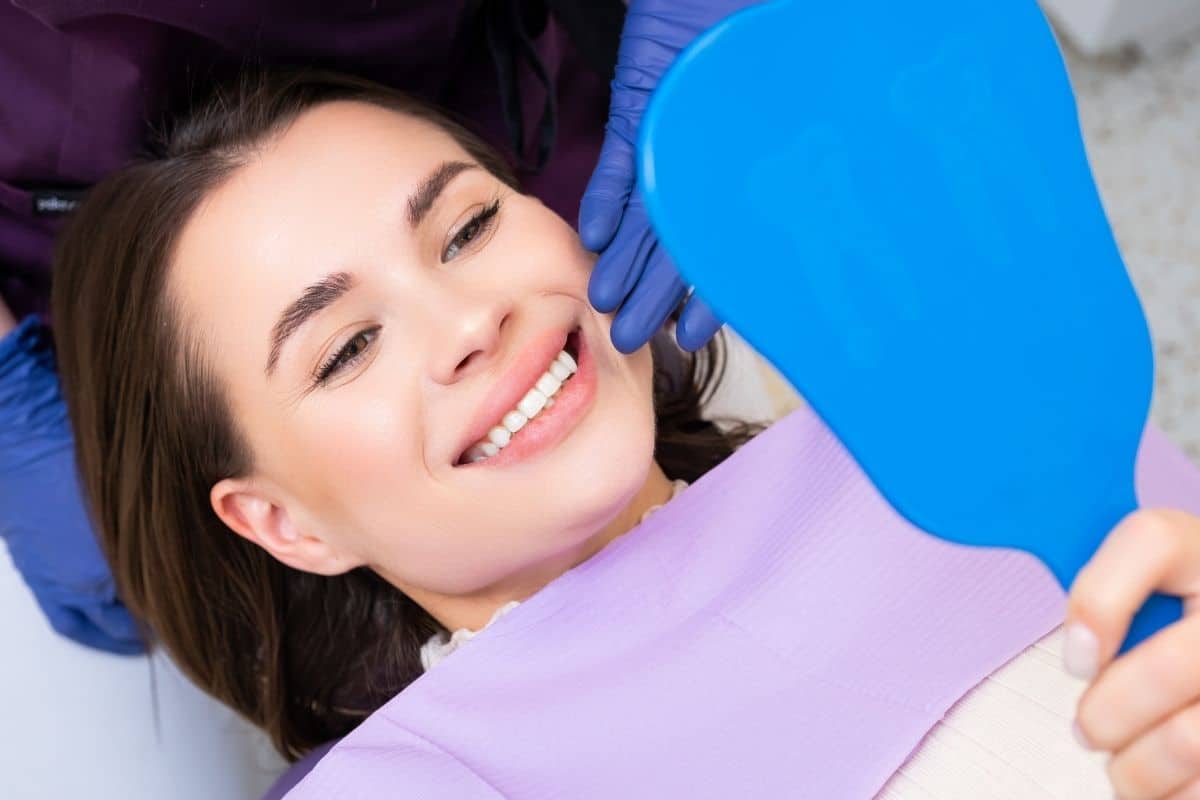
A brighter smile does more than change your appearance; it shifts the way you carry yourself in a room. People pursue professional smile brightening for all kinds of reasons, like an upcoming wedding, a job interview, a high school reunion, or simply because years of morning coffee and evening red wine have dulled what was once a confident, bright set of teeth. The investment makes sense. But here is the part that many patients discover only after treatment: the results do not maintain themselves.
Without the right follow-through, even brightening can start fading within a few months. Diet, hydration habits, oral hygiene consistency, and lifestyle choices all quietly work against your results every single day. People who lead active, social lives, grabbing iced coffee during warm mornings, enjoying a glass of wine at dinner on a patio in San Tan Village, or indulging in a post-workout smoothie packed with dark berries, face constant exposure to the very substances that reverse whitening.
Understanding what affects the longevity of your results, and what steps actually extend them, makes the difference between a smile that fades in months and one that stays noticeably bright for years.
At our dental office in Chandler, patients receive more than a whitening session; they leave with a clear plan for keeping their smile at its brightest long after the appointment ends.
Dr. Jay M. Bhatt, who leads the practice and is committed to continuous education in advanced cosmetic dentistry, understands that lasting results come from pairing a precise in-office procedure with smart, informed aftercare. He has trained alongside some of the country’s leading clinicians, insists on the highest-quality materials, and approaches every patient as an individual rather than a case number.
How Long Do Whitening Results Actually Last?
The honest answer depends on two things: the method used and the daily habits that follow. In-office professional whitening, in which a dental professional applies a high-concentration bleaching agent directly to your teeth, typically yields results that last 1 to 3 years with proper maintenance. The bleaching agents used in a clinical setting penetrate deeper into the enamel than anything available over the counter, which is why the starting brightness is stronger and the staying power is longer.
Dentist-supervised take-home trays, fitted specifically to your mouth with professional-grade whitening gel, generally maintain results for six months to a year, depending on how consistently you use them and how well you protect your smile between treatments. Over-the-counter strips and whitening pens sit at the other end of the spectrum: convenient and low-commitment, but they produce results that can begin to fade in as little as four to six weeks, particularly without any dietary adjustments.
The whitening method sets your starting point. Your daily choices determine how long you stay there. Most patients who invest in a professional in-office procedure and follow smart aftercare can realistically maintain bright results for eighteen months to two years before a touch-up becomes necessary.
What Causes Whitening Results to Fade?
The Foods and Drinks You Consume Daily
Chromogens, the deeply pigmented chemical compounds found in coffee, black tea, red wine, cola, tomato-based sauces, and dark berries, bind to tooth enamel and reintroduce staining over time. In Chandler and the surrounding East Valley, where warm temperatures make iced coffee a near-daily habit and backyard barbecues are a weekend staple, these staining agents are a constant presence. The risk is highest in the 48 hours immediately after a whitening session, when enamel pores are temporarily more open, and the tooth surface is more absorbent than usual.
Tobacco Use
Nicotine and tar, the compounds in cigarette smoke, produce some of the deepest and most stubborn discoloration of any substance. Unlike food stains that affect only the enamel surface, tobacco staining penetrates into the tooth structure over time, making it far harder to reverse. Patients who smoke will notice their results fade at a noticeably faster rate than non-smokers, sometimes within weeks of a professional brightening session.
Oral Hygiene Gaps
When brushing and flossing become inconsistent, plaque accumulates and traps staining particles against the tooth surface. That buildup dulls brightness quickly, even in patients who had a dramatic result immediately after their appointment. Skipping regular professional cleanings makes the situation worse; tartar, which cannot be removed at home, holds stains and creates a surface that discolors faster.
Enamel Thinning With Age
As the years pass, the outer enamel layer wears down naturally, revealing more of the dentin beneath, which is inherently yellow. Older patients may find that their results fade somewhat faster and that achieving the same brightness requires a different approach or more frequent maintenance sessions.
How to Make Your Results Last Longer
Watch What You Eat for the First 48 Hours
The two days following your appointment are the most critical window for protecting your investment. Stick to what dental professionals call a “white diet”, that include eggs, white rice, pasta without tomato sauce, chicken, milk, and water. Avoid anything that would stain a white shirt. Once that initial window closes, your enamel returns to a more normal porosity, and the risk of rapid restaining drops significantly.
Use a Straw for Staining Beverages
If giving up your morning cold brew is a non-starter, and for many in the Chandler area, it genuinely is, using a straw dramatically reduces the direct contact that dark beverages make with your front teeth. It will not eliminate exposure entirely, but it measurably slows restaining over time.
Rinse Immediately After Eating
Rinsing your mouth with water right after consuming staining foods or drinks washes away chromogens before they have time to settle into the enamel surface. This one simple habit, done consistently, can meaningfully extend the duration of your results.
Brush With a Whitening Toothpaste Carefully
A whitening toothpaste used once daily helps remove light surface stains before they set. However, these toothpastes work through mild abrasives, and long-term use twice daily can gradually thin the enamel. Alternating with an enamel-strengthening toothpaste gives you the maintenance benefit without the risk of over-abrasion.
Schedule Regular Professional Cleanings
Every six months, a hygienist removes tartar buildup and surface staining that home brushing simply cannot address. Patients who skip these appointments consistently report faster fading, not because their whitening was weaker, but because accumulated buildup acts like a staining magnet. For those who have undergone teeth whitening in Chandler and want to protect those results as long as possible, keeping up with biannual cleanings is one of the highest-return habits available. Dental hygienists can also catch early signs of enamel wear or sensitivity that, if addressed early, prevent complications that would affect future whitening maintenance.
Plan for Periodic Touch-Up Treatments
Whitening is not a one-time, permanent change to the color of your teeth. It is a treatment that requires periodic reinforcement. Most patients who maintain strong oral hygiene and manage their dietary habits well can go twelve to eighteen months before needing a meaningful touch-up. Those with high coffee or tea intake may want to consider a lighter at-home touch-up every three to four months using dentist-provided trays and gel to keep their shade consistent.
Consistency matters more than any single habit. Patients who combine dietary awareness, proper brushing technique, regular cleanings, and scheduled touch-ups routinely enjoy noticeably brighter results for two years or longer, well beyond the average for those who simply undergo the procedure and return to unchanged habits.
Signs That a Brightening Touch-Up Is Due
Your smile does not fade overnight. It shifts gradually, which is why patients are often surprised when they look back at photos from right after their appointment and notice the difference. A few reliable signs that it is time to revisit your dentist: your teeth look noticeably yellower or grayer in natural light compared to how they appeared after your last session; you find yourself feeling self-conscious about smiling in photos; or your dentist notes during a routine exam that surface staining has accumulated.
For patients who drink coffee or tea daily, a light touch-up once or twice a year typically keeps results consistent and avoids the need for a full re-treatment.
Ready to Protect Your Bright Smile?
Schedule a visit with the team at Canyon State Dental in Chandler and get a personalized plan for maintaining your whitening results, built around your lifestyle and your goals. Book your appointment today.
FAQS-
Does professional whitening last longer than at-home strips?
Yes, significantly. In-office treatments use higher-concentration bleaching agents that penetrate deeper into the enamel, which is why results start stronger and hold longer. At-home strips typically fade within one to three months, while professional chairside results can last one to three years with proper care. A dentist can also assess your enamel condition beforehand, which helps ensure you get both safe and durable results.
Can I drink coffee after getting my teeth whitened?
For the first 48 hours after your appointment, it is strongly advised to avoid coffee, tea, red wine, and other staining beverages entirely. Enamel pores are temporarily more open during this window, making your teeth more susceptible to restaining. After that initial period, drinking through a straw and rinsing your mouth with water immediately afterward can help protect your results without requiring you to give up your morning routine entirely.
How often should I schedule touch-up whitening treatments?
This depends on your lifestyle and dietary habits. Patients who regularly consume coffee, tea, or red wine often benefit from a light touch-up every six to twelve months. Those who maintain strong oral hygiene, avoid staining foods, and attend regular professional cleanings may only need a full touch-up every 18 months to 2 years. Your dentist can evaluate your current shade at a routine visit and recommend the right timeline for your specific situation.
Does whitening work on crowns, veneers, or bonding?
Whitening agents only change the color of natural tooth enamel; they have no effect on dental restorations like crowns, veneers, or bonding material. If you have restorations in visible areas, it is important to discuss this with your dentist before any whitening treatment. A professional evaluation ensures your natural teeth and restorations are matched appropriately, and that your whitening plan accounts for your full smile rather than just a portion of it.
Will whitening cause tooth sensitivity?
Some patients experience temporary sensitivity during or shortly after a brightening treatment, particularly to hot and cold temperatures. This typically subsides within 24 to 72 hours. A dentist can evaluate your enamel thickness and existing sensitivity beforehand, adjusting the concentration of the whitening agent or the treatment duration to minimize discomfort. Using a sensitive toothpaste in the days leading up to your appointment can also help reduce the likelihood of post-treatment sensitivity.
Will whitening cause tooth sensitivity?
Some patients experience temporary sensitivity during or shortly after a brightening treatment, particularly to hot and cold temperatures. This typically subsides within 24 to 72 hours. A dentist can evaluate your enamel thickness and existing sensitivity beforehand, adjusting the concentration of the whitening agent or the duration of treatment to minimize discomfort. Using a sensitive toothpaste in the days leading up to your appointment can also help reduce the likelihood of post-treatment sensitivity.