
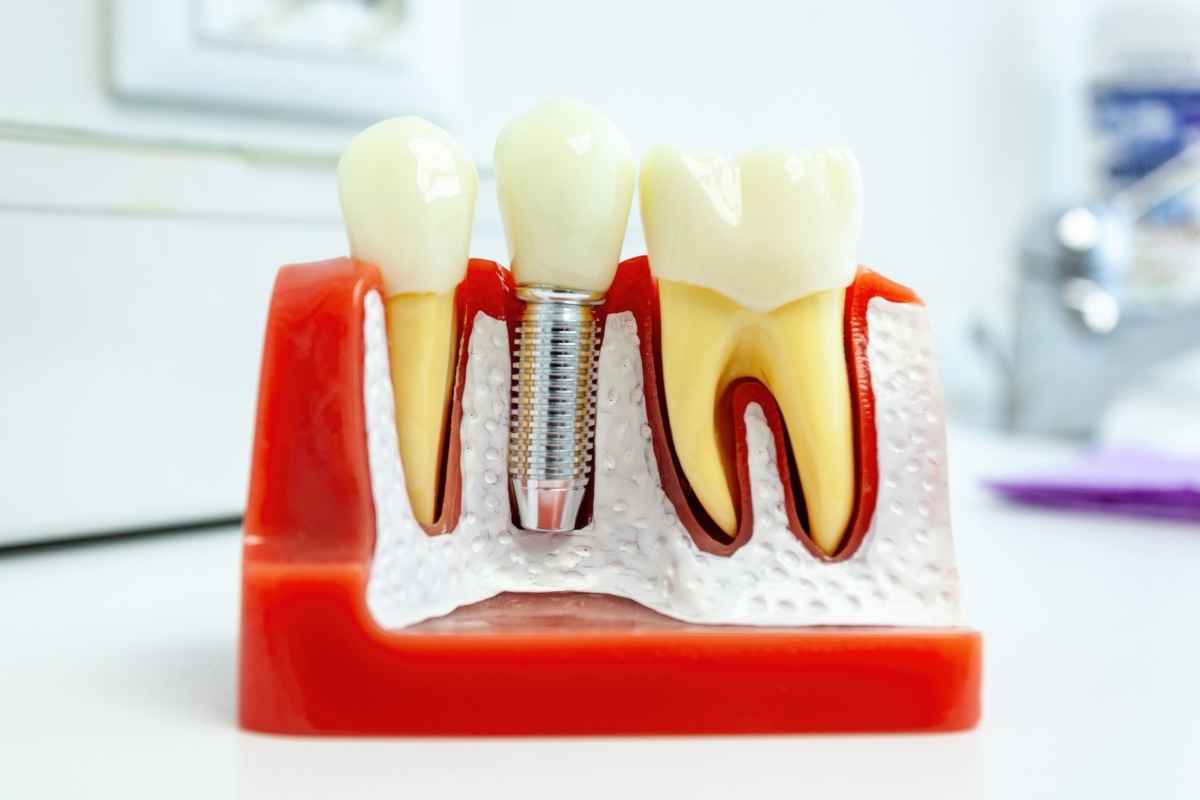
Dental implants are a life-changing solution for those looking to restore their smiles. For Chandler residents seeking a permanent solution to missing teeth, these restorations offer an incredibly effective, natural-looking alternative that enhances both functionality and aesthetics.
However, like any dental restoration, dental implants in Chandler require consistent care to remain durable and continue serving their purpose for years to come. In this blog, we’ll share essential tips to help you maintain your tooth implants and preserve a bright, healthy smile.
Why Proper Dental Implant Care is Essential
Dental implants are designed to last for decades, but their longevity depends largely on how well you maintain them. Much like your natural teeth, implants require consistent care to prevent complications such as gum disease, infections, and even implant failure. Chandler residents who enjoy an active lifestyle, outdoor activities, and sunny weather must prioritize maintaining their implants to keep them healthy and functional for years.
1. Prioritize Daily Oral Hygiene
Daily oral hygiene is the foundation of long-lasting implant health. Brushing your teeth at least twice a day helps remove food particles, plaque, and bacteria from the surfaces around your implants.
Use a soft-bristled toothbrush and gentle brushing technique to clean your natural teeth, implant restoration, and gumline without causing unnecessary irritation. A non-abrasive toothpaste may also help protect the surface of your dental restoration.
Flossing is equally important because a toothbrush cannot fully clean between teeth or around certain areas of an implant. Depending on your dental needs, your dentist may recommend:
- Implant-friendly floss
- Interdental brushes
- A water flosser
- Other specialized cleaning tools
Your dentist or dental hygienist can demonstrate the best technique for cleaning around your specific implant restoration.
2. Regular Check-ups and Professional Cleanings
Even when your implants feel comfortable and function normally, routine dental visits remain essential. Regular checkups allow your dentist to evaluate the condition of your implants, gums, bite, and surrounding bone.
During an appointment, your dental team may check for signs of:
- Gum inflammation or bleeding
- Plaque or tartar buildup
- Changes around the implant
- Loose or damaged restorations
- Bite-related pressure
- Early signs of infection
Professional cleanings also remove hardened deposits that cannot be eliminated through brushing alone. Your dental team may use implant-safe instruments to clean the restoration and surrounding tissues without damaging the implant surface.
Routine visits can help identify small concerns early and support the long-term success of your treatment.
3. Avoid Chewing Hard Foods or Objects
Dental implants are strong, but the crown or restoration attached to an implant can still become chipped, cracked, or damaged. Biting down on extremely hard foods or objects may place excessive pressure on the restoration.
Avoid habits such as:
- Chewing ice
- Biting hard candies
- Opening packages with your teeth
- Biting pens or other non-food objects
- Cracking nuts with your teeth
You do not need to avoid healthy foods simply because you have implants. However, it is important to use good judgment and avoid placing unnecessary force on your dental restorations.
If you notice discomfort while chewing or feel that your bite has changed, contact your dentist for an evaluation.
4. Protect Dental Restorations During Sports or Physical Activities
If you’re an active resident who enjoys sports, it’s essential to protect your tooth implants from injury. Sports like basketball, soccer, and cycling can be physically demanding, and a blow to the face could damage your implants. Wearing a custom mouthguard during sports can help absorb any impact, preventing damage to your implants.
Whether you’re cycling through scenic routes or participating in local sports leagues, a mouthguard is a simple yet effective way to protect your smile.
5. Stop Smoking for Better Implant Health
Smoking can negatively impact the health of your implants. Smoking restricts blood flow to your gums, making it harder for your body to heal after implant surgery. It also increases the risk of gum disease, which can compromise the stability of your implants. Quitting smoking is one of the best steps you can take to ensure your implants heal properly and remain secure.
6. Hydrate Well and Maintain a Healthy Diet
Keeping your mouth hydrated is crucial for the health of your implants. Drinking plenty of water throughout the day helps maintain proper saliva flow, preventing dry mouth, which can contribute to plaque buildup and gum disease. Additionally, a balanced diet rich in vitamins and minerals—especially calcium and vitamin D—supports your overall oral health and the stability of your implants.
By staying hydrated and eating nutrient-rich foods, you support the longevity of your implants and improve your overall oral health.
7. Protect Your Implants from Teeth Grinding
Teeth grinding or clenching can place excessive pressure on dental implants and restorations. Some people grind their teeth while sleeping without realizing it, while others clench their jaws during periods of stress or concentration.
Signs of teeth grinding may include:
- Jaw soreness
- Frequent headaches
- Worn or chipped teeth
- Increased tooth sensitivity
- Damage to dental restorations
If you grind or clench your teeth, your dentist may recommend a custom night guard. A properly fitted appliance can help reduce pressure and protect your natural teeth and implant restorations.
8. Pay Attention to Changes Around Your Implant
Dental implants should feel stable and comfortable. Contact your dentist if you experience symptoms such as persistent gum swelling, bleeding, pain, unusual pressure, difficulty chewing, or a feeling that the restoration is loose.
Early evaluation is important because implant-related concerns may be easier to manage when detected promptly. Do not ignore changes simply because the implant is not causing severe pain.
Maintain a Bright Smile
Caring for your dental implants in Chandler doesn’t have to be complicated. By following these simple steps—brushing, flossing, regular check-ups, and maintaining a healthy lifestyle—you can ensure that your implants stay healthy and strong for many years. Individuals who follow these tips can enjoy a bright, natural smile that lasts.
If you’re looking for an implant dentist in Chandler to help you maintain your implants or discuss any concerns, Dr. Jay M. Bhatt and our team are here to assist. We provide specialized care and personalized advice to ensure your dental implants remain strong, functional, and beautiful. Visit Canyon State Dental today to schedule your consultation and take the first step toward maintaining your dental implants for a lifetime of smiles.
FAQs
- How Often Should I Visit My Dentist For Check-Ups On Dental Implants?
It’s recommended to visit our dentist at least once a year for a check-up. Regular visits help detect issues early and keep your implants in optimal condition. - Can I Eat Anything I Want After Getting Dental Implants?
After your implants heal, you can enjoy most foods. However, avoid chewing on hard foods like ice or candy to prevent damage to your implants. - How Should I Clean Around My Dental Implants?
Use a soft-bristled toothbrush and non-abrasive toothpaste. You should also floss regularly using special floss or a water flosser to clean between your implants and natural teeth. - What Should I Do If My Dental Implant Feels Loose?
If you notice that your implant feels loose, contact our implant dentist immediately. Early intervention can help prevent further complications and ensure your implant stays secure. - Will Smoking Affect My Dental Implants?
Yes, smoking can hinder the healing process and increase the risk of implant failure. Quitting smoking is highly recommended to ensure the long-term success of your dental implants.