
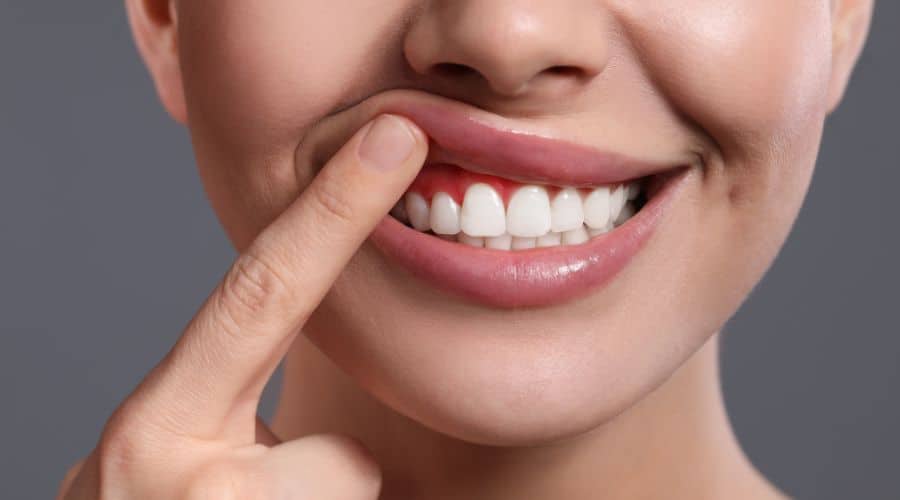
Gum disease, also known as periodontal disease, is a common oral health condition characterized by inflammation of the gums and damage to the soft tissue and bone supporting the teeth. While professional dental care is essential for effectively treating gum disease, there are also steps individuals can take at home to manage the condition and promote gum health. In this blog, we’ll explore how to cure gum disease without visiting a dentist, focusing on home remedies and preventive measures.
Understanding Gum Disease
Gum disease typically develops due to the buildup of plaque, a sticky film of bacteria that forms on the teeth and gums. Without proper oral hygiene, plaque can harden into tartar, leading to gum inflammation (gingivitis) and, if left untreated, more severe forms of gum disease (periodontitis). Symptoms of gum disease may include red, swollen, or bleeding gums, persistent bad breath, receding gums, and loose teeth.
Home Remedies for Gum Disease
While home remedies cannot replace professional dental care, they can complement regular dental visits and help manage gum disease. Here are some effective home remedies for treating gum disease without visiting a dentist in Chandler:
1. Good oral hygiene: brushing your teeth twice a day and flossing daily are essential for removing plaque and preventing gum disease. Use a soft-bristled toothbrush and fluoride toothpaste, and be sure to clean between the teeth and along the gumline.
2. Saltwater Rinse: Rinse your mouth with a warm saltwater solution several times a day to reduce inflammation and promote healing of the gums. Mix one-half to one teaspoon of salt in a glass of warm water and swish the solution around your mouth for 30 seconds before spitting it out.
3. Antiseptic Mouthwash: Using an antiseptic mouthwash containing ingredients like chlorhexidine or essential oils can help reduce plaque and bacteria in the mouth, which can contribute to gum disease. Rinse with mouthwash as directed after brushing and flossing.
4. Oil Pulling: Oil pulling involves swishing a tablespoon of coconut oil or sesame oil around your mouth for 15-20 minutes before spitting it out. This practice may help reduce bacteria in the mouth and improve gum health.
5. Healthy Diet: Eating a balanced diet rich in fruits, vegetables, lean proteins, and whole grains can support overall oral health and contribute to gum disease prevention. Avoid sugary and acidic foods and beverages, which can promote plaque buildup and inflammation.
Preventive Measures for Gum Disease
In addition to home remedies, there are several preventive measures individuals can take to reduce their risk of developing gum disease:
1. Regular Dental Check-ups: Even if you’re treating gum disease at home, it’s essential to schedule regular dental check-ups with a dentist for professional cleanings and evaluations.
2. Quit smoking: Smoking is a significant risk factor for gum disease and can interfere with the effectiveness of home remedies. Quitting smoking can significantly improve gum health and overall oral health.
3. Stress Management: Chronic stress can weaken the immune system and increase the risk of gum disease. Practice stress-reduction techniques such as exercise, meditation, or deep breathing to support gum health.
4. Stay Hydrated: Drinking plenty of water helps keep the mouth moist and rinses away food particles and bacteria that can contribute to gum disease. Aim to drink at least eight glasses of water a day.
Conclusion
While professional dental care is essential for effectively treating gum disease, home remedies, and preventive measures can play a significant role in managing the condition and promoting gum health. By incorporating good oral hygiene practices, home remedies, and preventive measures into your daily routine, you can support gum health and reduce the risk of developing gum disease. However, if you experience persistent or severe gum disease symptoms, be sure to consult with a dentist for proper evaluation and treatment.